Get Full Government Meeting Transcripts, Videos, & Alerts Forever!
Get email alerts on the Municipal Budget topic
No spam. Unsubscribe anytime.
Clinton City finance staff present tight FY26 general fund with $38,000 projected surplus
Summary
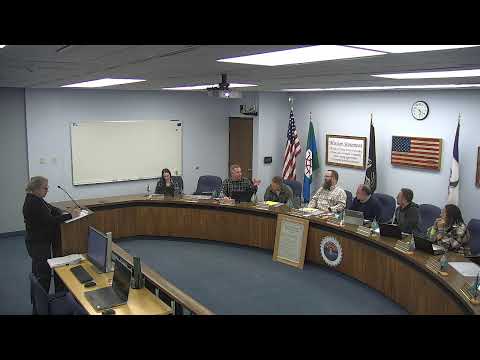
Anita, a city finance staff member, opened the council's second FY26 budget workshop with a summary of property-tax and general-fund projections and cautioned the council that the proposed budget leaves little margin for error.
Anita, a city finance staff member, opened the council's second FY26 budget workshop with a summary of property-tax and general-fund projections and cautioned the council that the proposed budget leaves little margin for error.
"We have projected revenues of $25,900,000 and projected expenses of $25,893,000 which leaves a surplus of $37,965," Anita said as she reviewed the summary sheet, noting limited reserves and the potential for year-end shortfalls.
The surplus figure is small compared with recent draws on fund balance. Finance staff said the general fund used surplus dollars in FY23 and FY24 and that the city finished FY24 with roughly $1.9 million in reserve. Finance staff also noted Clinton's residential rollback rate has fluctuated in recent years — staff said rollback for the current year was about 46.34% compared with higher rates in prior years — and that the council must reach a combined general fund levy of 8.10 by FY29 under state rules discussed during the presentation.
Council members and staff focused questions on revenue assumptions and one-time receipts that affect the projection. Anita walked through line items including building-permit revenue tied to a large industrial permit (approximately $600,000–$640,000, as noted in the presentation) and franchise fees, which she said have lagged the budgeted levels for FY25 and required a conservative estimate for FY26. "We must be conservative on franchise fees," Anita said, noting the fiscal-year-to-date reporting used to build the budget reflects payments through 12/31 and accrual timing can make apparent receipts look low midyear.
Council members pressed for more detail on recent draws from fund balance that produced the prior years' deficit figures and asked staff to identify which line items and off-budget approvals (for example, economic-development payments such as the Lafayette payment discussed in the workshop) contributed most to using reserves. Finance staff said some one-off commitments — not routine departmental overspending — accounted for much of the recent use of surplus funds.
Because the projected surplus is small, council members asked for a tighter process to monitor year-to-date spending. Several members proposed more frequent finance-committee reviews and clearer tracking of off-budget commitments so the council sees the cumulative impact rather than isolated transactions.
The council took a procedural vote to continue the remaining budget discussion to the council meeting scheduled for Feb. 13. Roll call recorded unanimous agreement to defer remaining items for follow-up and additional documentation.
Looking ahead, Anita and other staff recommended the council authorize adoption of the budget document as presented only after the follow-up session, emphasizing that the FY26 proposal keeps the city on track without increasing the general levy in the short term but leaves limited room for unexpected cost growth or revenue shortfalls.