Get Full Government Meeting Transcripts, Videos, & Alerts Forever!
Get email alerts on the Veterans Benefit Fees topic
No spam. Unsubscribe anytime.
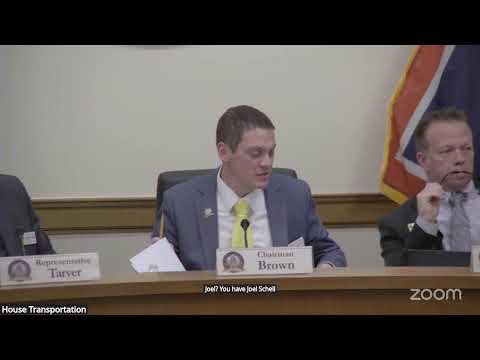
Committee advances bill prohibiting unauthorized fees for veterans benefits after adopting amendments
Summary
The Transportation, Highways & Military Affairs Committee advanced House Bill 210, a measure to prohibit unauthorized fees for veterans benefits, after adopting amendments that add disclosure requirements, consumer protections and limits on contingency fees for private consultants.
The Transportation, Highways & Military Affairs Committee advanced House Bill 210, which seeks to prohibit unauthorized fees for veterans benefits and add criminal penalties, after adopting a package of amendments that create disclosure, consumer-protection and fee-cap provisions for private consultants who assist veterans with claims.
Representative Denton Knapp, sponsor of the bill, told the committee HB210 would "mirror that federal law" and add a misdemeanor penalty for unauthorized fees related to VA benefits. He said the measure responds to widespread concerns raised by veterans service organizations that nonaccredited actors are charging veterans for services that should be free.
Tim Shepherd, executive director of the Wyoming Veterans Commission, told the committee accreditation is central to protecting veterans and said Wyoming has a small veteran service officer (VSO) corps. "We have less than 20 people in Wyoming who work as veteran service officers to cover down on our 23 counties and our 45,000 to 48,000 veterans," Shepherd said, urging protections for seniors and other veterans who have not filed claims.
Testimony from private consultants and trade groups produced competing perspectives. Shane Schultz of Veterans Benefit Guide said his company helps veterans navigate VA claims and supported the bill only if it were amended to allow fee-based consultants a path to operate under limits and disclosure; his written amendment would add a fee cap, ban initial nonrefundable fees, and require background checks and other consumer protections. "VBG provides veterans with a private legal federally compliant service ... VBG strongly supports Representative Knapp's commitment to protecting our veterans," Schultz said, but he argued the bill as drafted would bar his company's services.
Mark Christiansen of Veterans Guardian, which provides contingency-fee assistance, said the bill as drafted would remove choice and reduce options for veterans; he urged a narrower set of guardrails rather than a broad prohibition. "We're transparent about veteran options, including the free services of the VSOs ... Veterans need more options, not less," Christiansen said. Denton Knapp and the Wyoming Department of Veterans Affairs' supporters including the Veterans of Foreign Wars urged stricter prohibitions on fee-taking and emphasized accreditation and free VSO services.
Committee members debated trade-offs: supporters said the measure protects veterans from so-called "claim sharks;" others noted private companies can speed claim preparation and sometimes obtain additional benefits. Representative Geringer moved to adopt a set of amendments drafted by proponents of fee-based companies that add definitions, require disclosures, bar initial nonrefundable fees, and impose limits on contingency fees; committee members subsequently agreed to lower a proposed cap from five times the monthly increase to three times the monthly increase through an amendment to the amendment. The committee adopted the amendment package and then advanced HB210 by roll call; the clerk recorded eight aye votes and one excused member.
The bill as amended includes statutory definitions, disclosure requirements, limits on contingency compensation and data-protection provisions; it also clarifies that the new provisions do not apply to VA‑accredited agents and attorneys. The measure will move forward for further consideration.