Get Full Government Meeting Transcripts, Videos, & Alerts Forever!
Get email alerts on the State Lands Easements topic
No spam. Unsubscribe anytime.
Committee approves bill to clear title for county, municipal roads across state and school lands; deadlines adjusted
Summary
Lawmakers moved House Bill 219 to require perpetual easements for county and municipal roads that cross state or school trust lands and set a process and deadline for the Office of State Lands and the counties to inventory and secure records. Committee amendments extended rulemaking and processing timelines; committee passed the bill 9-0.
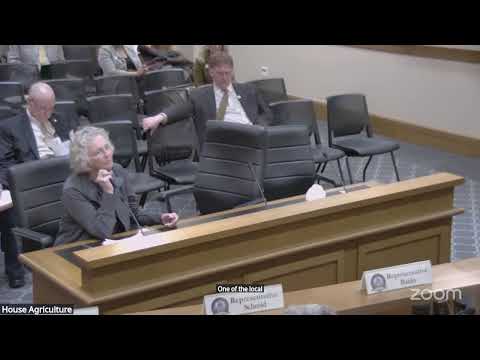
The Agriculture, State & Public Lands & Water Resources Committee approved House Bill 219, which directs the Office of State Lands and Investments and counties to identify and secure perpetual easements for county and municipal roads that cross state and school trust lands.
Why it matters: The bill is intended to reduce recurring confusion and administrative delays when private users, financiers or counties attempt to confirm legal public access across state and school sections. Committee sponsors and state land officials said the work is largely a cleanup of historic roads established by long use but lacking formal Board of Land Commissioners easements.
What the bill does
Representative Rusty Locke, prime sponsor, said the draft creates a process for the Office of State Lands and Investments (OSLI) to inventory roads that lie on state or school lands and for counties and municipalities to secure perpetual easements for roads established prior to a specified date. The bill directs OSLI to complete an inventory and collaborate with counties to document ownership, provide mapping and issue easements that the Board of Land Commissioners can approve.
OSLI and counties supportive; technical changes made
Jason Crowder, interim director of OSLI, told the committee the land office has been inventorying roads and working with counties for years and that the board reduced its standard market compensation for these perpetual easements from roughly $2,400 per acre to $10 per acre (for historic roads built before 1974) to reduce the burden on counties. Crowder said an internal GIS inventory suggests an average of roughly 25 candidate roads per county that may need follow-up and estimated about 91 acres per county statewide could be implicated by this cleanup; the fiscal note estimates about $21,000 in reduced revenue across the trusts because of the lower per-acre valuation.
Several county commissioners and county officials testified in favor. Natrona County Commissioner Dave North said many county roads date to statehood or earlier and that counties are prepared to work with OSLI to update records. Brett Moline of the Wyoming Farm Bureau Federation and the Wyoming County Commissioners Association urged passage, saying statute will prompt action rather than continuing sporadic case-by-case fixes.
Committee amendments and timeline
Committee members and OSLI staff discussed timing. OSLI asked for small changes to deadlines so the board could meet and adopt any rule changes; Representative Eklund moved and the committee adopted amendments extending the board rule deadline into late October and lengthening a 60-day board action window to 90 days to align with board meeting schedules.
Final action
Following amendment, the committee recorded a roll-call vote on HB219: Representatives Banks, Davis, Eklund, Johnson, Otman, Provenza, Schmidt, Strauch and Chairman Winter voted Aye (9–0). The committee moved the bill forward.
Context and limits
Witnesses and OSLI staff said the bill does not alter private road rights or county maintenance responsibilities; it is narrowly aimed at public county or municipal roads that cross state or school lands and where the state lacks a recorded perpetual easement. Crowder said OSLI will work with counties to prioritize and batch work and that the Board of Land Commissioners expects to continue issuing perpetual easements where the county has demonstrated historic public use and where the board does not find adverse impacts to the trust estate.
Ending
Lawmakers framed the bill as an administrative cleanup to clarify access, reduce case-by-case disputes and help property owners and financiers confirm access. Committee amendments gave OSLI additional time to complete rulemaking and board approvals; the bill passed the committee 9–0 and will continue through the legislative process.