Get Full Government Meeting Transcripts, Videos, & Alerts Forever!
Get email alerts on the Route 28 Bypass topic
No spam. Unsubscribe anytime.
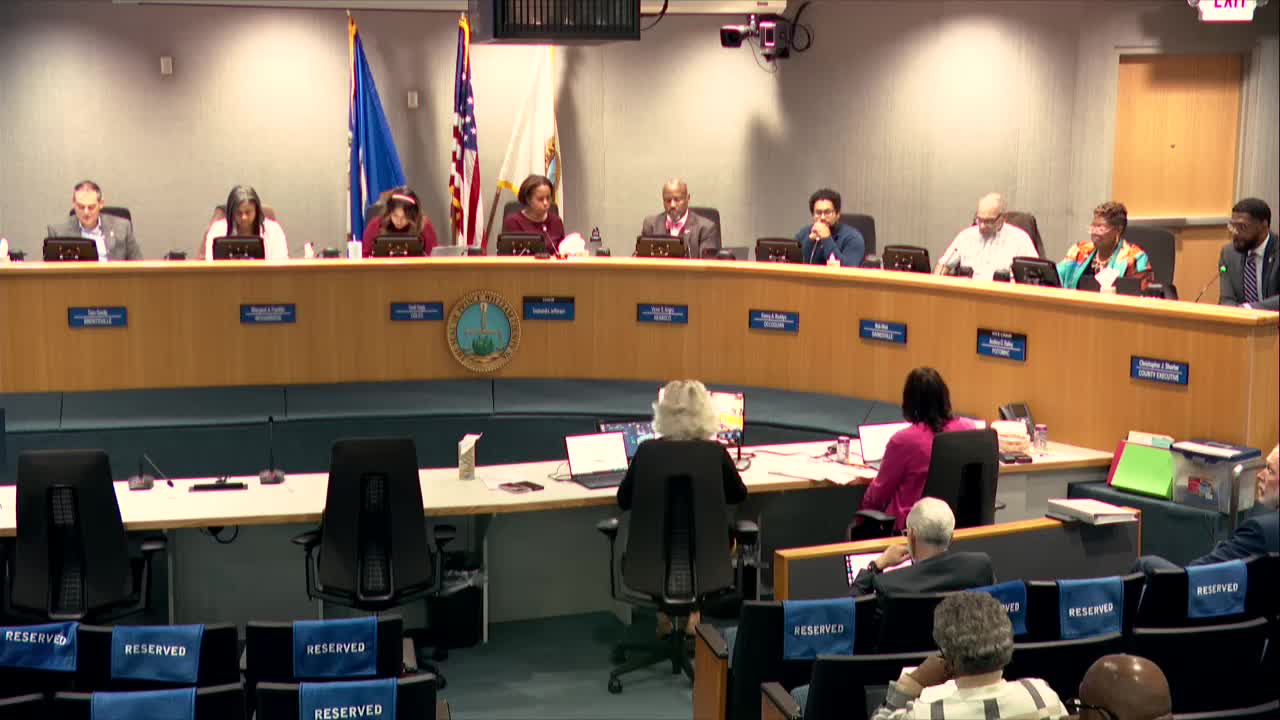
Prince William supervisors vote to cancel Route 28 bypass after years of study and regional disagreement
Summary
The Board of County Supervisors voted 5-3 to cancel the Route 28 bypass project, citing steep cost growth, right‑of‑way and environmental impacts, and lack of regional support. Staff will negotiate closeout terms with the regional authority that provided grant funding.
Prince William County transportation staff recommended and the Board of County Supervisors voted to cancel the Route 28 bypass project, saying the effort is no longer viable without additional funding and regional cooperation.
Rick Canizales, the county's director of transportation, told the board the project began with studies in 2017 and was advanced by a series of public hearings and an NVTA (Northern Virginia Transportation Authority) funding allocation. But after detailed design the office concluded the preferred alignment, called alternative 2B, now faces greater environmental, utility and right‑of‑way impacts than originally estimated and “is not viable because we don't have enough money and we don't have enough support,” Canizales said.
The board approved a staff resolution to cancel and close out the project by a 5-3 vote. The motion passed with Supervisors Angry, Bailey and Franklin recorded as voting no. The resolution authorizes the county executive and transportation director to negotiate financial closeout with the regional authority and to de‑obligate remaining NVTA funds tied to the project.
Why it matters: project history and costs The Route 28 bypass work traces to a 2017 feasibility study and later environmental and location work. In 2018 NVTA included partial funding for the project. Voters approved a $355 million mobility bond in November 2019 that included $200 million for Route 28 work; NVTA later allocated roughly $89 million toward a bypass alignment. Canizales said the county has spent about $5.9 million of NVTA funds on design to date and now faces an estimated funding gap of roughly $80 million to $100 million depending on when additional money would be committed.
Board members and public commenters discussed alternatives, including widening Route 28 rather than building a bypass, and shorter‑term operational improvements. Canizales said staff will explore other options for improving corridor performance if the bypass is closed out and will negotiate with NVTA on returning or reallocating funds.
Regional and political context Several supervisors said the decision reflects an inability to secure required right‑of‑way and endorsement from neighboring jurisdictions. Canizales and multiple board members described extended discussions with Fairfax County and Manassas but said Fairfax had not provided the route endorsement and that Manassas and Manassas Park lacked funding to share the cost. "It is not just a Fairfax public hearing ... it is not feasible" without guaranteed local funding and right‑of‑way, Canizales said.
Opponents of cancellation argued the corridor remains congested and that cancelling will delay or increase future costs to address traffic. Supporters of cancellation said regional partners had not offered the needed cost share or alignment commitments and that closing the project would allow the county to pursue alternative, potentially more locally controlled solutions, including small area plans, a comprehensive plan amendment or focused operational improvements.
Next steps and fiscal implications The resolution directs the county executive and transportation director to negotiate the project's financial closeout with NVTA and to remove the project from the county capital plan. Canizales told the board that de‑obligating NVTA funding would return money to the regional NVTA pot for competition; the county would not automatically retain those funds for another local project. He also said cancelling now will leave the county responsible for repaying the NVTA monies already expended on design.
The board and staff said short‑term operational improvements on Route 28 are already underway through separate VDOT and county programs while longer term corridor options are studied.
Ending Supervisors said the vote sets the county on a new path to address Route 28 congestion, but they differed sharply about what that path should be. The board majority called for refocusing planning locally; opponents said the county should have explored more financing options before cancelling.