Get Full Government Meeting Transcripts, Videos, & Alerts Forever!
Get email alerts on the Rules And Veip topic
No spam. Unsubscribe anytime.
Tennessee Fire Commission seeks emergency fix to rules governing training incentives
Summary
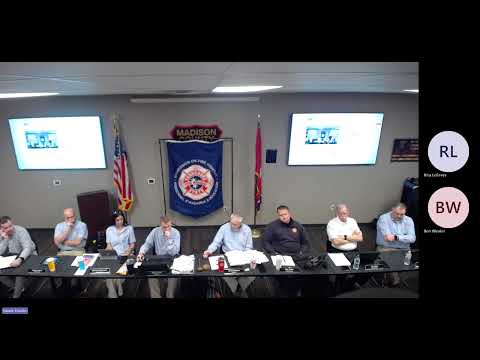
At a Feb. 3 work session, the Tennessee Fire Commission said a rules package has returned from the attorney general's office and commissioners prioritized emergency changes and waivers to address confusion and preserve eligibility for the Volunteer Educational Incentive Program (VEIP).
The Tennessee Fire Commission discussed next steps for a rules package and a narrow emergency fix at a Feb. 3 work session, with commissioners telling staff to aim for quick action to avoid injuring volunteer eligibility for training incentives.
Commissioners said the rules package has been returned by the Tennessee attorney general's office and, once filed, will trigger a 90-day public-comment period. Commission leaders expressed concern that ambiguity and uneven implementation since the Dec. 31 deadline have left volunteers and training officers uncertain about eligibility for incentive payments and certification requirements.
Commissioners and staff said they will incorporate suggested edits from the attorney general's office and file the rule package as soon as practicable so the formal 90-day period can begin. Staff also reported legal guidance that the commission may be able to pursue an emergency rule under Tennessee law if a pressing health or safety rationale exists; commissioners asked staff to evaluate that option and to prepare redlined rule text for the commission and for stakeholder review.
Why it matters: Commissioners said the status quo is producing inconsistent outcomes across departments and counties, with some volunteers told they are ineligible for incentive payments or that certain training will not count toward required live-fire verification. Several commissioners said the uncertainty threatens program participation and payments that are intended to support recruitment and retention.
Key discussion points included whether the commission can grant broad waivers to cover the current transition and which portions of the rules should be prioritized for emergency treatment. Staff said the commission's current rules permit only three types of waivers: course-approval submission deadlines, deadlines for requesting incentive payments, and waiting periods between service events. Commissioners directed staff to identify the narrowest emergency authority consistent with Tennessee law and to prepare waiver templates where the rules already allow them.
Commissioners also asked staff to prepare a timeline for near-term rule action, discussed an approximate target of completing significant fixes by midyear, and urged ongoing communication with training officers statewide so departments can plan courses and payment requests.
Commissioners repeatedly emphasized balancing customer service for departments against the need for consistent, auditable processes. Several members described past practice in which commission staff tried to be permissive for customer service reasons; the commission said it will now work to align customer support with rule requirements while pursuing targeted changes to reduce the most disruptive inconsistencies.
The commission did not take a formal vote in the work session. Staff said they would return to the full commission with draft emergency language, proposed redlines for the affected chapters, and a recommended public outreach plan.
Sources: Commission staff briefings at the Feb. 3, 2025 work session and discussion among commissioners and staff.