Get Full Government Meeting Transcripts, Videos, & Alerts Forever!
Get email alerts on the Water Supply topic
No spam. Unsubscribe anytime.
City presents long-term water plan: Hula reallocation, Copan rights and contingency options recommended
Summary
City staff and the Water Resources Committee recommended pursuing a Corps flood-control reallocation at Hula Lake, finalizing previously negotiated storage rights at Copan Lake, and developing an emergency contingency plan to secure additional potable supply, while leaving longer-distance options like Kaw/Enid as future possibilities.
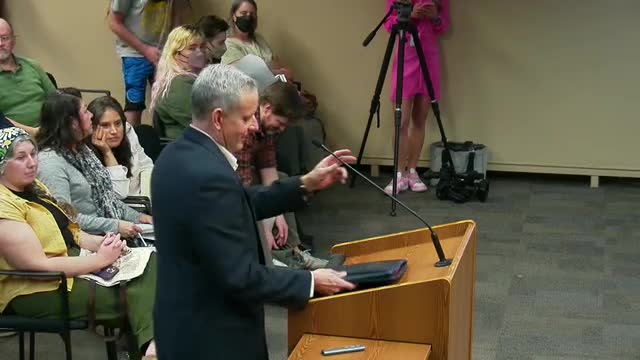
The City of Bartlesville’s utilities director, Terry Lawrence, told the City Council on Feb. 3 the city is in a stronger position than it was during the droughts of the early 2000s but still needs additional long-term sources to guarantee water supply into the next century.
Why it matters: Bartlesville provides potable water to most of Washington County and serves roughly 55,000 people in its system, Lawrence said. The city’s projected demand and existing portfolio of river and reservoir sources could meet needs for several decades, but the Water Resources Committee recommended adding 10–16 million gallons per day to the portfolio to maintain supply through 2125 under moderate-growth assumptions.
Key recommendations: The committee and staff recommended three near-term actions: pursue a 10% flood-control reallocation at Hula Lake through federal legislation (a Corps process typically included in the Water Resources Development Act), finalize purchase of reserved storage rights at Copan Lake via a legislatively enabled, reduced-cost agreement with the town of Copan, and develop a contingency/emergency plan to bring in potable water from sources in the Collinsville/Tulsa area if needed. Lawrence said a full 10% reallocation at Hula could provide about 10 million gallons per day and would require federal approval and roughly a 3–6 year planning and study timeline; the estimated capital for the full reallocation was summarized in the staff presentation and would have cost implications for residential customers if implemented.
Alternatives considered: Staff and the Water Resources Committee evaluated additional sources including a Muskogee aquifer well field and a long-distance pipeline from Kaw Lake. Kaw Lake (Enid) options would be costly — the study estimated a pipeline and pumping infrastructure might require several hundred million dollars and would translate to a high per-household monthly impact — making it a longer-term, lower-priority item unless grant funding or partnerships reduce the cost.
Council action: The council voted to accept the Water Resources Committee’s recommendations to pursue the Hula reallocation, continue negotiations with Copan and to develop the contingency plan; the motion passed on a roll call recorded in the transcript.
Context: The city has already added Copan storage to its portfolio in 2020 and has a water-reuse project coming online by 2030. The Corps’ dam-safety classifications affect what lakes are eligible for reallocation; Hula’s recent reassessment raised its classification and made reallocation feasible where it had not been earlier.
Next steps: Staff will pursue the federal legislative path for Hula reallocation, finalize a purchase agreement or release arrangement with Copan for reserved storage rights, and draft an emergency access plan for short-term potable supply from northern Tulsa-area sources.