Queen Anne's County schools warn proposed state change could cut more than $1.3 million from operating budget
Loading...
Summary
Queen Anne's County school leaders on Jan. 22 told the Board of Education that a proposal pending in the Maryland General Assembly could reduce the district’s state operating aid by roughly $163 per student — about $1.3 million for the system — and leave the district with a potential operating shortfall unless local support or other revenues offset it.
Queen Anne's County school leaders on Jan. 22 told the Board of Education that a proposal pending in the Maryland General Assembly could reduce the district’s state operating aid by roughly $163 per student — about $1.3 million for the system — and leave the district with a potential operating shortfall unless local support or other revenues offset it.
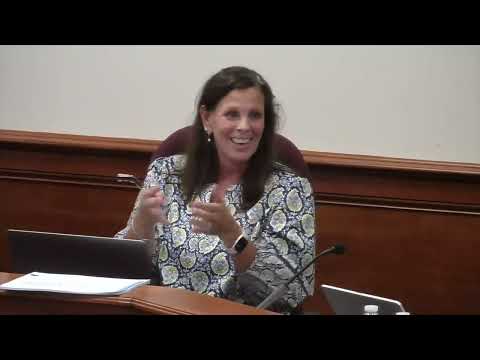
School staff presented a draft FY2026 operating budget snapshot and described revenue drivers and known cost increases. They said the materials were an early, working draft and would change as state legislation and other figures are finalized. “This is literally a snapshot in time,” the district’s administration cautioned during the meeting.
Why it matters: district staff said the specific legislative proposal discussed would delay part of the Blueprint for Maryland Education tied to “collaborative time” in classrooms. District staff calculated that the proposal would reduce the foundation per‑pupil amount from $9,226 to $9,063, and because several other state funding buckets are calculated as percentages of the foundation amount, the local impact would be magnified. The district’s preliminary estimate: the state funding change would lower anticipated state aid by about $1.3 million, turning a small projected increase into a net operating shortfall once required local community‑school funding is included.
Board and staff discussion focused on options to respond. Administrators said the draft budget currently uses a placeholder assumption that county commissioners will provide $5 million above last year’s flat funding; commissioners gave $6.2 million above maintenance last year. Board members asked about alternative steps if the state action is approved, including making contingency reductions, delaying non‑recurring initiatives and reusing temporary measures used last year such as district‑wide furlough days. Staff warned that without additional revenue the district could face cuts large enough to affect dozens of positions.
Key details and constraints - The draft operating budget presented covers only operating (not capital) expenditures; capital funds are legally separate and cannot be repurposed for teacher salaries or operating costs, staff said. - The district’s enrollment was described as essentially flat. Staff explained state aid is driven by multiple “buckets” (foundation, compensatory education, multilingual learner funding, CCR and others) that are calculated from enrollment and student need measures; a change in foundation per pupil cascades into other buckets. - Staff reported known cost pressures for FY2026: a projected 10% health‑insurance increase (up from a prior placeholder), rising energy costs, state retirement contributions that are not yet finalized, and contractual salary enhancements (a multi‑year contract item the administration estimated at roughly $4 million). The administration described some Blueprint items as “underfunded” — funded in statute but at levels staff said will not cover actual implementation costs.
Board action and follow‑up During the session the Board directed the administration to prepare two items for the board’s review: - a compiled set of purchasing‑card (P‑card) transactions for the most recent month (November) and a contemporaneous expenditures report showing operating expenditures and payments for the same month; and - a search‑process plan for hiring the next superintendent, including presentations from the Maryland Association of Boards of Education (MABE) and a private executive search firm at an upcoming meeting.
Board members also assigned outreach tasks: one board member agreed to contact MABE to arrange a presentation; another agreed to contact a private search firm that had already reached out to the district. The administration said it would provide a more complete, updated budget summary in coming weeks and would incorporate any final state budget and legislative outcomes once available.
What the administration asked the board to consider District staff urged the board to treat the FY2026 materials as preliminary and to plan mitigation scenarios now. Staff said they may present a budget using a conservative revenue assumption (removing the $5 million placeholder), then present alternative packages showing what would be cut at various shortfall levels. Staff repeatedly recommended “plan for the worst and hope for the best,” noting the legislative outcome may not be resolved until late in the session.
Next steps The district said it will continue to track the legislation and update the board. Administrators expected firmer figures on several cost items (health insurance, energy, state retirement) within about a month, and said the General Assembly’s work on the bill could run into spring. The board scheduled follow‑up work and asked the administration to deliver the P‑card and expenditures reports and to arrange search‑process presentations at the next board meeting.