Get Full Government Meeting Transcripts, Videos, & Alerts Forever!
Get email alerts on the Snow Response And Enforcement topic
No spam. Unsubscribe anytime.
Leavenworth officials explain snow‑removal strategy, towing and sidewalk enforcement after major storm
Summary
City staff told the commission the city's snow-emergency policy prioritizes emergency access and that towing is used only when vehicles block plows or emergency responders. Code enforcement will prioritize emergency routes and school routes for sidewalk clearance; trash pickup is delayed in locations where polycarts are buried.
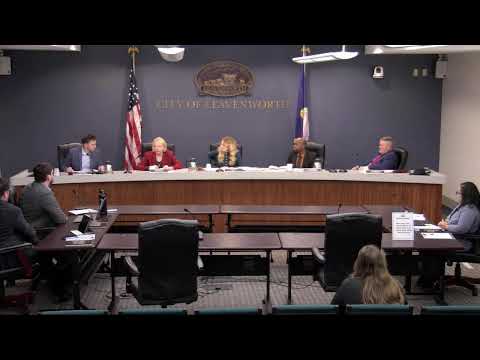
City staff and commissioners spent a lengthy portion of the Jan. 14 meeting addressing resident complaints and questions about the city’s handling of a recent major snowstorm, explaining how the city prioritized emergency access, towing, sidewalk enforcement and trash collection.
What the city said Scott (staff referenced in the meeting as Mr. Faust) and other staff described the city’s approach: when a snow emergency is declared (a decision in the city manager/chief’s purview), the city has the authority to tow vehicles, but crews do not conduct blanket towing of parked cars during active storms. Staff said the city will tow vehicles that create an immediate hazard to plow operations or block emergency access for fire or medical responders; otherwise moving every vehicle would be cost prohibitive and inefficient.
Sidewalks and enforcement Staff said sidewalk enforcement follows the city’s typical code‑enforcement process used for other property maintenance items: residents typically receive a notice and are given time (staff said about 10 days in usual code situations) to comply. For snowstorms, staff said the city prioritizes emergency snow routes and routes to schools when asking residents and businesses to clear sidewalks. Staff also said they do not expect aggressive enforcement against individuals who are unable to clear sidewalks immediately after a storm, noting the practical constraints of repeated plow passes and snow re‑depositions.
Trash and polycarts Staff told the commission that trash crews are working but that some polycarts remain buried in snowdrifts; crews will not retrieve carts in locations that create a safety hazard to employees. The city said it had distributed a notice/card about delays and will follow up with additional communications so residents understand when missed pickups are due to safety concerns.
Operational constraints and lessons Staff described practical constraints that affected the response: contractors’ asphalt plants typically do not open until mid‑March, limiting some work scheduling; plows sometimes must keep at least one lane open for emergency vehicles; parked cars on older narrow streets can prevent curb‑to‑curb plowing; and there are only so many places to put the snow in a large, compacted storm. Commissioners praised crews for long hours and staff said they will improve advance messaging to downtown businesses about contractor clearing schedules in future storms.