Get Full Government Meeting Transcripts, Videos, & Alerts Forever!
Get email alerts on the Tourism Funding topic
No spam. Unsubscribe anytime.
Aransas Pass staff proposes formal application process for hotel-occupancy (hot) funds; council signals intent to open applications
Summary
City staff outlined a proposed application process and limits for Aransas Pass—s hotel-occupancy (hot) tax funds, saying about $332,000 is currently available and recommending a 10% reserve; council members asked to return the item for formal approval Jan. 6 and discussed a proposed cap on awards per entity.
A city staff member said the City of Aransas Pass currently has about $332,000 in hotel-occupancy ("hot") tax funds available and recommended keeping roughly 10 percent in reserve before awarding the remainder through an application process.
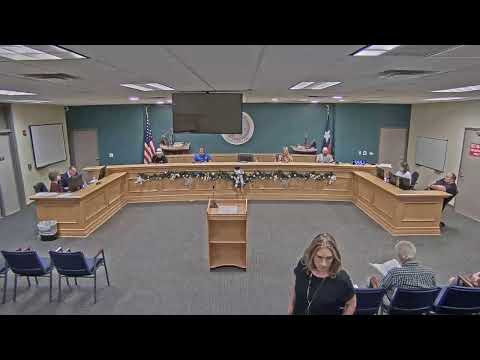
The staff presentation, given during a Dec. 17 workshop of the Aransas Pass City Council, proposed adopting a resolution, an application form and a post-event reporting requirement. "Currently, we have about $332,000 in hot funds," the staff member said. The staff recommendation was to reserve roughly 10 percent, leaving about $300,000 available for awards. Staff suggested returning a resolution to the council for formal approval at the council—s Jan. 6 meeting and opening an application period that would run 30 to 45 days or through the end of March to give organizations time to apply.
Why it matters: hot-tax revenues may be spent only for purposes that promote tourism and the hotel and convention industry under state law. Council members discussed using a formal application process to increase transparency and broaden the pool of applicants beyond the organizations that historically received funds.
Council members and the public asked how the $300,000 figure was calculated. A staff explanation said the amount equals what is in the hot fund bank account now, minus appropriations already budgeted (including amounts appropriated the previous night and an earlier appropriation for a VFW HVAC project). Staff also cited a seven-year average that shows the hot fund balance has grown by about $90,000 per year after budgeted expenditures; that figure was offered as context for whether awards should be made annually or on a multi-year cycle.
Council members discussed application-period length and outreach. One council member suggested a longer initial advertising period to ensure broad notice and recommended posting the application on the city website and on social media. Several council members said they supported returning the process to the Jan. 6 meeting for formal action and opening the application window through March to allow organizations time to apply.
Cap per recipient: the Charter Review Committee had proposed a charter-language draft that would cap awards so that "no more than 25 percent of the annual collections of hot funds will be distributed to any one entity in a single year." Council members and members of the public debated that proposed cap at length. Supporters said the intent was to diversify awards and encourage new events; opponents, including some who identified the chamber/visitor center as the primary promoter of tourism, warned that a strict 25 percent cap could reduce funding to longstanding tourism partners. Council members said they would consider those concerns when the formal resolution and any proposed ordinance are returned to the council.
Next steps: staff said it will bring a resolution to the Jan. 6 council meeting to establish the application and reporting forms and proposed advertising period. The council indicated support for proceeding to that Jan. 6 agenda item; no formal vote on the process or on the 25 percent cap occurred at the workshop.
Ending: If the council formally adopts the resolution in January, staff said it will publish the application on the city website, run outreach on social media and accept applications during the advertised window. The council suggested considering whether awards should be made annually or every two years to allow the fund to grow between distributions.