Get Full Government Meeting Transcripts, Videos, & Alerts Forever!
Get email alerts on the Schedule Alignment topic
No spam. Unsubscribe anytime.
District explores block scheduling, 9th-grade academy and CMS 2.0 as part of Schools of Distinction planning
Summary
Administrators presented research and proposals to align high-school schedules to block periods, create a 9th-grade academy and expand specialized programming ("CMS 2.0") to increase student options and support the district's Schools of Distinction by 2030 goal.
District administrators presented research and proposals to align high-school schedules to a block model, create a ninth-grade academy and develop a CMS 2.0 model intended to expand career and college pathways as part of the district's Schools of Distinction by 2030 initiative.
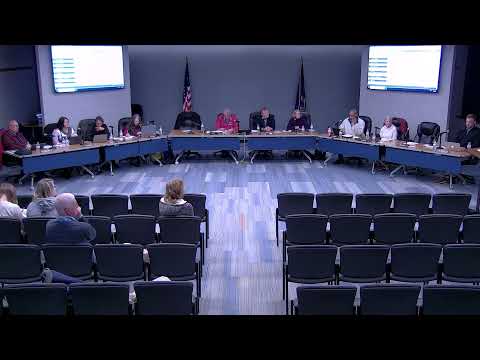
Brad Bigger introduced the item and said the alignment is connected to the Schools of Distinction work. Presenters included Dr. Long, Sean (surname not specified in transcript), and other senior staff who described opportunities and challenges with block scheduling. The administrators said block scheduling would lengthen class periods (for example to about 90 minutes), reduce daily transitions and give more time for hands-on learning, extended labs and credit recovery. Dr. Long and other presenters said research and local experience indicate block schedules can improve graduation rates, reduce discipline problems and create scheduling flexibility for career-technical programs.
Officials proposed a 9th-grade academy at one site to provide a consistent transition year and to free capacity at existing high schools for expanded programming. The presenters discussed a CMS 2.0 concept (modeled on programs the district described as "Ignite" or similar examples) that would create focused "colleges" or academies such as engineering, biotechnology, computer science, business and teacher education to expand student choices. Presenters said the career center already operates on a semester-based schedule compatible with block scheduling and cited potential benefits for dual enrollment, co-op and workforce-ready programming.
Administrators described operational details: under a block model lunches would be run in four 30-minute waves (the example times given were roughly 11:08 a.m. for the first lunch and 12:38 p.m. for the last), which staff said would reduce the number of students per lunch wave and allow cafeteria staff more time to restock. The presentation noted that successful schedule changes rely on leadership, staff training, school culture and student engagement and that the district has been preparing staff this year with IU support and professional development.
Board members asked about implementation timelines and whether a full rollout could occur next year. Presenters and board members cautioned that full implementation would require planning; one board member said a 9th-grade academy at CASES was plausible but that moving all ninth graders immediately would be "a little bit too quick." Presenters suggested a phased approach and said more detailed planning and data would be needed before any formal vote.
Public comment during the meeting included parents urging attention to elementary scheduling and recess; the presenters and the board indicated further forums and outreach will continue as the district develops detailed plans.