
Weston County hospital board delays final budget, orders cash-based review and schedules work session and public hearing
Get AI-powered insights, summaries, and transcripts
Subscribe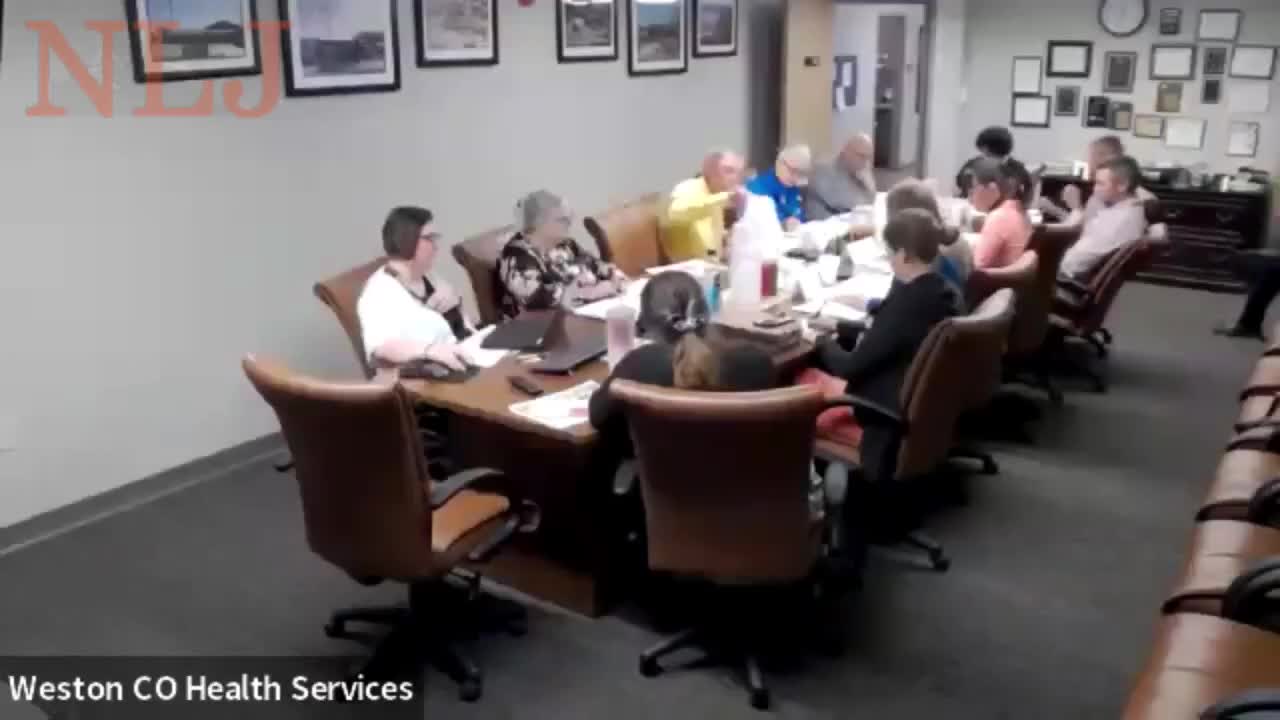
Summary
Board members raised concerns about large discrepancies between the hospital's accounting system and bank cash reports, agreed to a cash-based review with consultant support and set a July 7 work session and a July 10 public hearing to finalize the fiscal-year budget.
The Weston County Health Services (WCHS) board delayed final adoption of its fiscal-year budget after members flagged wide discrepancies between the hospital's accounting-system numbers and the cash-flow reports and asked administration to rework the plan using bank cash activity and outside review.
Board members said the divergence between the two reporting systems is large enough to change the board's view of the hospital's financial position and that the board must rely on a verifiable data source before voting on a legally-required budget. To allow time for a targeted review, the board scheduled a budget work session for July 7 at 5:30 p.m. and a public hearing followed by a special meeting on July 10 (public hearing at 5:30 and a vote to follow), with the goal of meeting the state filing deadline in mid-July.
Why it matters: Wyoming law requires special districts to adopt and file a budget on a regular timetable, and the board repeatedly emphasized that approving a budget is not merely a planning exercise but confers authority to spend. Several directors and board members said the accounting data provided by the hospital's general ledger has shown dramatic month-to-month swings and has been characterized by auditors as unreliable, making the board reluctant to rely on that source alone.
Discussion and evidence: Board members presented side-by-side comparisons showing the hospital's accounting system reporting roughly $29.3 million in year-to-date expenses while the bank cash report reflected about $22.6 million for the same period; projected year-end expense estimates in the two systems also differed by millions. A director summarized the gap this way: the accounting system projected year-end expenses near $31.9 million while the cash-based view put the number near $24.7 million, a difference board members said was too large to ignore.
Several members asked administration to build a budget model grounded in actual cash receipts and disbursements over the past 12 months, adjusted for known capital spending, program-volume changes and known Medicaid/IGT (intergovernmental transfer) flows. The board asked that the revised approach be reviewed by an external expert, consultant John Gantner, who agreed to look at the work with hospital staff. Administration agreed to return preliminary results to the board at the July 7 work session and present a proposed budget at the July 10 public hearing.
Legal and procedural context: Allison Lisonbee, the board's legal counsel, read the statute language for executive sessions and assisted the board with scheduling and public-notice requirements. Board members noted that the governing statute for special districts requires the adopted budget to be filed within three business days after the public hearing and affirmed they would follow the required public-notice process for the July hearings.
What the board directed: - Administration was asked to produce a cash-based budget model using bank activity records for the prior 12 months and to adjust for planned capital expenditures and known program changes. - Administration will engage consultant John Gantner for an external review and incorporate his recommendations. - Work session: July 7, 5:30 p.m. (to review preliminary numbers). - Public hearing and special meeting: July 10, public hearing at 5:30 p.m., special meeting (vote) to follow.
Board members expressed differing views about whether a budget should be treated as a fixed legal guardrail or as an operational plan that can be adjusted in response to cash realities; the scheduling decision was a compromise to allow additional review without missing the statutory deadline.
Looking ahead: Administration will return to the board with revised budget material at the July 7 work session. If the board approves a budget at the July 10 hearing and special meeting, the hospital will file the adopted budget with the state within the required timeframe.