Get Full Government Meeting Transcripts, Videos, & Alerts Forever!
Get email alerts on the School Budget Fy26 topic
No spam. Unsubscribe anytime.
Freetown-Lakeville staff recommends using IDEA funds for out-of-district tuition, not transportation, in FY26
Summary
District finance staff recommended using most of the district's IDEA allocation to stabilize out-of-district tuition budgeting for fiscal 2026, shifting prior practice of using the grant for salaries. The update also covered projected special education transportation costs, chapter 70 aid and other state funding changes.
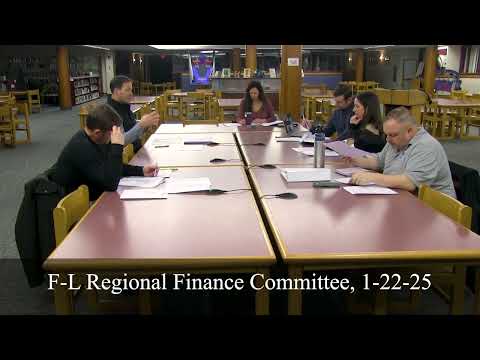
District finance staff told the regional school committee at a Jan. meeting that they plan to use most of the district's federal IDEA (Individuals with Disabilities Education Act) allocation for out-of-district special-education tuition in fiscal 2026 rather than for staff salaries or transportation.
The recommendation was presented as part of a broader FY26 budget-development update. Staff said the IDEA award this year is estimated at just over $800,000 and that the district intends to set aside roughly $35,000 to $50,000 of that for instructional supplies rather than salaries. "We have been talking about how to utilize the IDEA grant outside of using it for salaries," the presenter said, adding the change is intended to stabilize tuition budgeting from year to year.
The move comes after staff analyzed three years of out-of-district tuition data and found tuition costs vary significantly year to year because of student moves and identifications during the school year. By contrast, staff said transportation costs have risen more steadily and are more predictable.
Nut graf: The committee heard the reallocation is meant to reduce year-to-year budget volatility for special-education tuitions and improve tracking; transportation and tuition were described as linked but distinct budget pressures.
Staff discussed several other FY26 budget items at the same meeting. Projected special-education transportation for FY26 was described as roughly $900,000. Staff warned that circuit-breaker reimbursements (state reimbursement for high-cost special-education expenditures) operate on a lag and have rules about thresholds and two-year windows for using funds.
State budget proposals cited by staff included a governor-proposed $75-per-pupil increase in Chapter 70 aid; staff estimated that figure would translate to about $196,554 more for the district compared with last year, while noting the per-pupil calculation is preliminary. The governor's proposed funding for universal free school lunch was described as $170 million overall; staff said the district would absorb changes to the universal lunch program through the food-service account rather than the general fund.
Health-insurance costs were listed as an outstanding uncertainty. Staff said the district had been asked to be conservative and model double-digit increases for planning, though the books currently include some residual overfunding from prior years that could offset part of a rate increase.
Finally, staff reviewed the district's debt schedule and said the last payment on a long-running debt will fall in FY26.
Ending: Staff said the FY26 recommended budget will be presented to the school committee on Feb. 5; updated health-insurance numbers were expected in early February and could prompt quick changes to printed budget materials if they arrive after the presentation.