
Residents, shelters and city officials press for fixes as Newark faces shelter payment delays and rising demand
Get AI-powered insights, summaries, and transcripts
Subscribe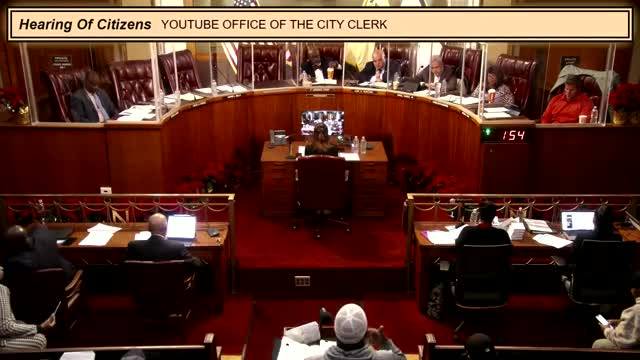
Summary
Multiple speakers at the Dec. 18 council meeting described delays in payments to shelters, gaps in services for people without addresses, and calls for greater oversight of contracted shelter providers. Administration acknowledged payment problems and said it was reorganizing leadership in homeless services.
Public comment at the Dec. 18 Newark Municipal Council meeting returned repeatedly to homelessness and sheltering — from complaints about delayed payments to providers, to accounts of poor conditions at some contracted shelters and worries that Newark’s services are drawing people from other jurisdictions.
Multiple shelter operators and advocates told the council that payments from the city’s Office of Homeless Services had been late, in some cases for months; operators said late payments forced them to delay payroll, dip into insurance or otherwise risk closure. Speakers warned that delayed city payments threatened continuity of care for people placed in shelters, and they asked for more-frequent inspections and better city follow-through.
A number of speakers also said particular shelters had poor conditions or problematic management. Shelter operators and advocates asked for more oversight, faster contracting after RFPs, and clearer lines of responsibility between the city and state offices that fund services.
Administration reply: Business Administrator Eric Pennington and other city officials acknowledged the issue. Pennington said the city recognizes that late payments to shelters have been a problem and said administrative leadership in homeless services was being shuffled to resolve payment timing. He said Newark provides wraparound services and that the city has seen a “precipitous increase” in people in shelters since COVID; Pennington added that the city is working with the county and state to triage residents who should be served elsewhere.
Shelters and providers cited - Fairmont Health Services (operator described staffing and financial strain; director described delayed city payments and contract uncertainty), - Hotel-based placements (speakers said some hotels housing residents faced sudden displacement notices), - Office of Homeless Services (city) and state agencies that fund domestic-violence and other services.
What was requested from the council Speakers urged immediate actions: prompt city payments to contracted shelter operators, an audit of payment practices, more inspections and case management oversight, and a clear plan for the 2025 budget that reflects sheltering needs. Several residents asked councilmembers to press the administration for clear deliverables and timelines.
Ending: The administration said the mayor has directed a comprehensive approach and that the city will work with state and county partners; advocates said they will monitor whether promised changes — particularly timely payments — are delivered in early 2025.