
Newark council advances multiple redevelopment deals amid angry public comments over affordability and oversight
Get AI-powered insights, summaries, and transcripts
Subscribe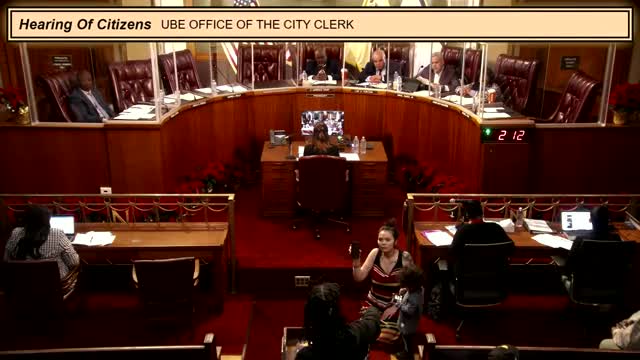
Summary
The Newark Municipal Council on Dec. 18 advanced several redevelopment deals and handled a large set of tax-abatement and sale agreements that drew sustained public comment about affordability, local hiring and oversight.
The Newark Municipal Council on Dec. 18 advanced several redevelopment deals and handled a large set of tax-abatement and sale agreements that drew sustained public comment about affordability, local hiring and oversight.
Supporters said the projects will bring investment and jobs; critics — including long-time residents, neighborhood activists and tenant advocates — said the abatements and deal terms favor developers, do not sufficiently protect longtime residents, and lack clear enforcement mechanisms. Speakers urged stronger guarantees for low- and moderate-income units, community benefits agreements and audits of previously issued abatements.
Why it matters: Tax abatements and redevelopment agreements determine which projects are financially viable and who benefits. Council action on Dec. 18 combined approvals, amendments and multiple deferrals, reflecting ongoing tensions between economic development goals and community demands for ownership, affordable units and local jobs.
What the council voted and deferred: the meeting included roll-call votes on several ordinances and motions. Most contested were long-term abatements and amendments to sale-and-redevelopment agreements. Councilmembers repeatedly asked the administration for fuller briefings before votes and several council motions called for deferrals so neighbors could be consulted further.
Public concerns were specific. Residents repeatedly pressed for: - A housing definition tied to Newark incomes, not county AMI figures. - Clear, enforceable community benefits (jobs/hiring, apprenticeships, local contracting, funds for nearby schools and seniors). - Audits or accounting of prior abatements and payments in lieu of taxes, plus explanations of why multi-decade abatements remain necessary in a high-demand market.
Administration response and process notes: Deputy Mayor and the Economic & Housing Development director said the city’s office and legal advisors reviewed tax-exemption requests for conformity with state enabling statutes, and that some projects fell under earlier zoning/IZO approvals that allow different affordability mixes.
Votes at a glance (selected items recorded in the meeting): - Ordinance: 74–78 Webster Urban Renewal LLC (25-year abatement). Adopted as amended (council roll call; motion to amend ward designation carried). (provenance: meeting announcement and action recorded during agenda discussion.) - Ordinance: 440 Elizabeth Avenue (20-year abatement; project to renovate a high-rise). Deferred by council roll call after public comment requesting more community briefing. - Multiple sale/redevelopment amendments and first-read ordinances: several were deferred for additional review or adopted after council consideration; members asked for follow-up presentations on abatement rationale and enforcement.
What comes next: Councilmembers requested administration briefings and presentations on the city’s overall abatement policy — why abatements are still being offered at multi-decade terms, the gap they are intended to close (costs vs. expected rents), and independent reviews of whether existing agreements are in compliance and collecting required payments. Several councilmembers asked that future tax-abatement committee outcomes be distributed to the full council in advance of votes.
Ending: Residents and advocacy groups said they will keep pressing the council for stricter community benefits and more transparent accounting of abatements; council members said they expected additional hearings and administrative presentations in the new year before taking final action on some pending projects.