
McCall council hears All Lands Partnership wildfire plan, directs staff to engage
Get AI-powered insights, summaries, and transcripts
Subscribe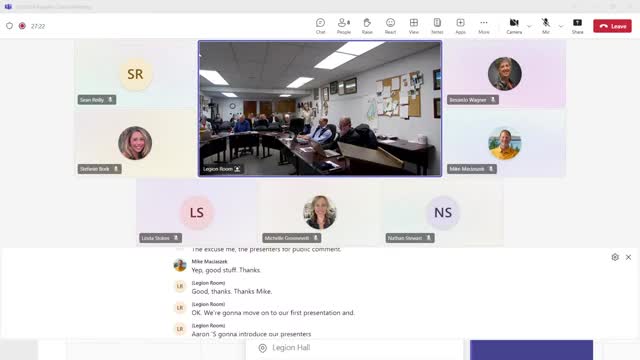
Summary
Federal and Forest Service partners briefed McCall City Council on the Southwest Idaho All Lands Partnership’s risk-mapping and community programs; council members said the city should continue engagement and consider piloting household assessments.
McCall City Council received a presentation from representatives of the Southwest Idaho All Lands Partnership and U.S. Forest Service on wildfire risk reduction and unanimously signaled support for continued city engagement.
The presenters — Sam Leishman, Partnership Forester for the Boise and Payette National Forest; John Riling, project manager for the Southwest Idaho wildfire crisis landscape (U.S. Forest Service); and Tim Leishman, who also supports the landscape effort — described risk-mapping, new funding pools and a set of community-level tools they say can be used in McCall to prioritize where treatments will reduce wildfire risk most cost-effectively.
Council members were told McCall lies within a polygon the Forest Service identified as one of the nation’s top 10 wildfire crisis landscapes. The presenters described using the commercial risk-analysis platform Vibrant Planet, lidar data and parcel-scale surveys to identify where limited mitigation dollars will have the greatest effect.
“This group really, starts leaning into opportunities, working with nonprofits as well,” Sam Leishman said, describing a coalition aimed at accelerating on-the-ground treatments and at pooling funding sources the presenters called “Bill and Ira funds.” He said the partnership has applied for a USDA Regional Conservation Partnership Program grant intended to support significant private-land treatments adjacent to public forests.
John Riling described a potential pilot for McCall using a program he called WIRE (Wildfire Research Center) to pair rapid parcel assessments with household surveys. He said WIRE’s package — a drive-by parcel checklist plus a social survey of household attitudes and capacity to act — can generate data useful both for prioritizing work and for grant applications. He noted there is no fee to work with the All Lands Partnership but that household survey mailings cost about $13 per household and that the coalition had applied for grant funds to cover those costs.
Council discussion focused on the practical next steps. Mayor Bob Giles and council members Mike and Lyle asked staff to keep the council informed and to treat engagement as a near-term priority ahead of the council’s January retreat. Council direction was explicit: staff were asked to continue engagement with the All Lands Partnership and to explore using McCall as a pilot for rapid parcel and household assessments if grant funds materialize.
Presenters said regional working groups will convene in January and invited city staff, planning staff and other local stakeholders to participate. They offered the city access to the partnership’s risk-modeling tools and follow-up invitations to regional meetings.
The presentation is intended to inform council priorities and does not by itself create a binding commitment of city funds. Presenters and staff noted several follow-up items: sharing technical data with city planners, identifying staff liaisons for the regional working group, and clarifying potential grant-match requirements if McCall participates in a pilot.
The council asked staff to return with implementation details and with any grant opportunities and cost estimates before the city commits to survey mailings or other expenses.