Get Full Government Meeting Transcripts, Videos, & Alerts Forever!
Get email alerts on the Water And Sewer Infrastructure topic
No spam. Unsubscribe anytime.
Annapolis outlines scope, timing and neighborhood impacts for Southgate-area water and sewer work
Summary
City of Annapolis staff and the design-build contractor described planned water-main, service and sewer replacements on Southgate, Lafayette, Franklin and Murray, said work would begin in early 2025, and warned residents to expect temporary parking restrictions, bypass piping and service interruptions during connections.
City of Annapolis public-works staff and the project’s design-build contractor on Thursday gave neighbors an overview of planned water and sewer replacement work in the Southgate area, saying the work will replace aged mains, service laterals, hydrants and valves and will require temporary traffic and parking restrictions and occasional service interruptions.
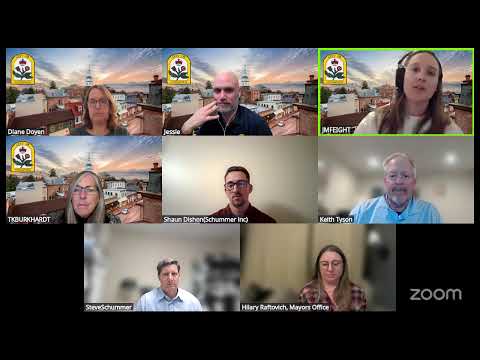
Taura Burkhart, co‑project manager with the city, said the project includes “the Southgate, Franklin Street, Murray Ave, and Lafayette areas,” and that the work will cover water mains, water-service laterals (where meter pits or meters are not relatively new), fire hydrants and valves. Burkhart spoke at a virtual meeting hosted by the Department of Public Works. “Tonight, we're gonna give you a little bit of an overview of what's going on with the Southgate area water distribution and sewer system project,” she told participants.
City staff said sewer main replacement will be limited to portions of Southgate and Franklin. Keith Tyson, the city’s owner's representative from Gannett Fleming, and Steve Schumer, project manager for contractor Schumer Incorporated, described sequencing, typical daily work operations and restoration expectations.
Why it matters: replacing deteriorating buried infrastructure aims to reduce leaks and outages and extend the life of the systems serving the neighborhood. But city staff warned residents the work will cause temporary disruptions — including parked equipment that may remove up to four parking spaces at a time, bypass piping laid along gutters, temporary driveway interruptions and short water or sewer outages when crews switch customers from old to new mains.
What the city described: the contractor will use bypass pumping and temporary piping to maintain service during much of the work. Project staff said signs marking no‑parking zones will be posted about 72 hours before work begins in a block, and typical construction hours will be 7 a.m. to 5 p.m. Monday through Friday, with exceptions if needed to reduce impacts. The contractor explained that large sewer bypass pumps may occupy two parking spaces as crews move through the work area.
Schedule and sequencing: presenters described an initial sequencing plan that will begin with preparatory valve work and begin substantive construction in early 2025. Schumer said work on Lafayette was tentatively scheduled for a period in early 2025, followed by Southgate and other segments later in the year; presenters emphasized those windows are estimates and subject to change when crews encounter underground conditions. Final paving and related roadwork will follow completion of the buried infrastructure and is most likely to occur in spring 2026, staff said.
Neighborhood impacts and restoration: the contractor showed photos of typical trenching, pipe installation, temporary bypass lines and staged restoration. Temporary asphalt patches will be used during the project; city staff cautioned those are not final surfaces and that final paving will occur after all underground work is complete. City staff said they will bring back contractors to correct any restoration problems raised by residents after work is finished.
Public questions and coordination with BGE: a resident asked whether the city’s schedule was related to an ongoing project by BGE (Baltimore Gas and Electric). City staff said coordinating utility and city work is intentional: combining related gas, water and sewer work reduces the number of times a street is disrupted. Presenters said they had been told BGE’s pipe work was expected to be complete by March, with restoration to follow.
Notifications and contacts: the city said it will post a project page on the Department of Public Works section of the city website, distribute paper notices to properties ahead of work that will require service interruptions expected to last up to four hours, and have contractor staff knock on doors for short interruptions or driveway impacts. The city named Keith Tyson as the primary point of contact for questions; Steve Schumer, Taura Burkhart and Diane Doyen were also listed as project contacts.
Residents’ concerns: attendees raised restoration quality and temporary patching on Southgate. The city said Schumer will perform temporary patches and a city‑selected contractor will perform final restoration; the city added it will rebid or procure contractors for final work and will require appropriate patching before allowing contractors to demobilize. Hillary from constituent services reiterated that temporary patches should not be taken as final work and that residents should report problems to the city after completion.
What to expect next: staff said sequencing plans and a more detailed schedule will be shared on the project web page and through mailed notices. For short outages and access impacts the contractor will provide door‑to‑door notices; longer interruptions tied to the changeover from old to new mains will be preceded by mailed notices. Project staff encouraged residents to contact the listed project representatives for questions or to report restoration issues once work is complete.
Quotes from the meeting: “We will make allowances so traffic can drive over it if there would be a driveway or an intersection,” Steve Schumer said when describing temporary bypass piping. A resident asked, “Was there any connection between BGE’s project and now this one?” and staff answered that coordinating utilities is deliberate to limit repeat street disruptions. “Feel free to reach out to me if you have issues or questions,” Keith Tyson said at the meeting.
No formal vote or decision was recorded at the meeting; staff presented plans, answered questions and described next steps for notifications and coordination.