Get Full Government Meeting Transcripts, Videos, & Alerts Forever!
Get email alerts on the Health Medicaid topic
No spam. Unsubscribe anytime.
Trillium Healthcare updates Lee County commissioners on Medicaid "tailored plan" rollout, enrollment and service changes
Summary
Trillium Healthcare briefed the Lee County Board of Commissioners on Dec. 16 about early effects of North Carolina's Medicaid "tailored plan" rollout, reporting enrollment figures for Lee County members and operational impacts including higher call volumes and transportation coordination challenges.
Trillium Healthcare, the local management entity and managed care organization covering Lee County, briefed the Lee County Board of Commissioners on Dec. 16 about the early months of North Carolina's Medicaid tailored-plan rollout and how it is affecting members and providers.
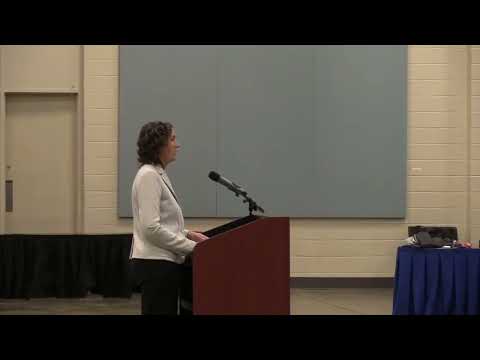
The presentation, given by Cecilia Peers of Trillium and Anne Kimball, head of community engagement and empowerment, summarized enrollment, covered services, operational impacts and supports Trillium is offering to members in Lee County.
Trillium said there are about 18,892 people on Medicaid in Lee County (July state data) and that Trillium serves roughly 4,510 of those members (about 24%). Of Trillium's enrollees in the county, the organization said slightly more than 1,100 are in the new tailored-plan whole-person care program and a little over 3,000 are served under the organization's Medicaid-direct behavioral health model. Trillium said those figures are updated from the North Carolina Department of Health and Human Services, which posts monthly enrollment data.
Why it matters: North Carolina has shifted parts of Medicaid into integrated "whole-person" models. For counties such as Lee, the change affects which entity manages behavioral and physical health benefits, nonemergency medical transportation, pharmacy coverage and certain state-funded behavioral-health benefits.
Trillium outlined the difference between the previously available "standard plans" (commercial insurers that cover mild-to-moderate behavioral health needs along with physical health) and the LME-MCO-run "tailored plans," which add enhanced behavioral-health services (for example, adolescent day treatment, assertive community treatment, community support teams), some residential services, certain waiver services and care management.
Operations and member experience: The agency reported a sharp rise in call-center volume around the July launch of tailored plans. Calls jumped from roughly 9,400 in June to more than 17,000 in July and later stabilized around 12,000; Trillium said those spikes lengthened wait times and affected the rate at which calls are answered. It reported that about 72.8% of calls were answered within 30 seconds during the transition period, down from prior targets in the mid-90s percentage range.
Trillium also described work to avoid gaps in transportation services at launch: it proactively contacted about 900 members who regularly received transportation but did not yet have rides scheduled for the first week of the tailored-plan launch.
On pharmacy, Trillium said claims are processed in real time and that, from July through mid-October, the plan processed about $82 million in pharmacy claims (predominantly for physical-health medications). Trillium said paying pharmacy claims in real time was a key metric demonstrating continuity of care and timely provider reimbursement.
Services and supports: Trillium said tailored plans cover nonemergency medical transportation, pharmacy benefits, durable medical equipment and long-term services and supports; tailored care management is a centerpiece intended to coordinate both physical- and behavioral-health needs. Trillium described care management providers as either specialized care-management agencies or advanced primary-care medical homes.
Trillium also noted availability of other programs tied to tailored plans and state funding, including 1915(i) services (supports for wellness and community integration such as supported employment and respite), Innovations waiver slots for people with intellectual and developmental disabilities, and the TBI pilot waiver (traumatic brain injury) that is operating in one jurisdiction and expected to expand.
Questions from county commissioners covered the status of proposed regional board appointments (handled by the North Carolina Department of Health and Human Services), the number and wait time for Innovations waiver slots (Trillium said annual slot increases have been modest and described wait times by county that the speaker estimated might be roughly 10'12 years in some cases), and how local transportation systems (Lee County's Colt service) interface with the vendor most plans use (MotiveCare). Trillium said MotiveCare is the transportation broker and would negotiate rates with local providers such as Colt.
Trillium emphasized the organization's focus on social determinants of health (housing, food access, employment) and listed community-based services and one-time move-in assistance, recovery apps, and GED vouchers among value-added services intended to reduce barriers to care.
The presentation closed with Trillium's crisis line information and an invitation to contact the Trillium member and recipient services line or the website for enrollment and eligibility questions.
Next steps: Trillium said it is tracking operational metrics and expects some stabilization as members and providers adapt to the tailored-plan model. Staff and commissioners did not take an action vote on Trillium's presentation during the meeting.