Get Full Government Meeting Transcripts, Videos, & Alerts Forever!
Get email alerts on the Board Ethics topic
No spam. Unsubscribe anytime.
Board attorney briefs Freehold Township trustees on ethics, Open Public Meetings Act
Summary
Board attorney Michael Gross gave an abbreviated ethics presentation, reviewed the school-board code of ethics and cautioned board members about Open Public Meetings Act limits on unscheduled gatherings and appropriate use of the chain of command.
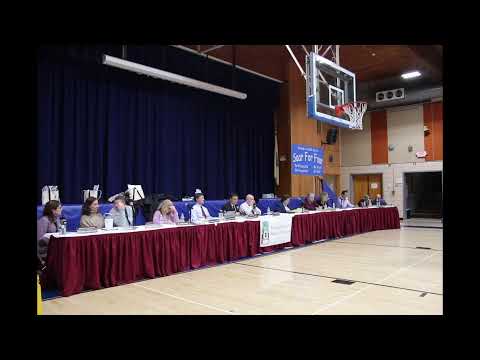
Michael Gross, the board attorney for the Freehold Township School District, delivered an in-person ethics briefing to the board on Jan. 28, summarizing the statutory code of ethics for school board members and advising on meetings and complaints.
Gross framed his remarks as a condensed review of the statutory “codes of ethics” and the School Ethics Commission process, and he recommended use of advisory opinions when board members are unsure whether a proposed action would violate ethics rules. He described three frequently cited ethics provisions that often underlie complaints: (1) board members must confine their actions to policy, planning and appraisal rather than administration; (2) board authority rests with the board as a body and individual members must not make private promises that could compromise the board; and (3) board members must follow the chain of command and refer complaints to the superintendent.
Gross warned that the code of ethics must be interpreted in a changing environment and that some provisions predate modern technology, but he emphasized their practical implications: board members should avoid micromanaging staff, should not substitute private promises for board action, and must not bypass the superintendent when handling complaints about staff or operations. He said the School Ethics Commission can dismiss or refer complaints for hearing, and that advisory opinions can be a quicker alternative for clarifying conduct before acting.
The attorney also addressed public-meeting rules. When the board discussed upcoming referendum forums, Gross read the Open Public Meetings Act definition of “meeting” and said: if more than four board members attend an unscheduled public event at which district business may be discussed, the event would likely meet the statute’s definition of a public meeting and would require 48-hour public notice. Gross said that restriction was the reason the board planned to limit in-person participation at some forum events to four board members.
Gross closed by urging board members to be explicit about the hat they are wearing when interacting with staff or the public (for example, a parent or private citizen versus a board member) and offered to provide standard disclaimer language for board members who post on social media or otherwise speak as private citizens. He invited board members to present specific questions in executive session if legal privilege applied.