Get Full Government Meeting Transcripts, Videos, & Alerts Forever!
Get email alerts on the Vape Ordinance topic
No spam. Unsubscribe anytime.
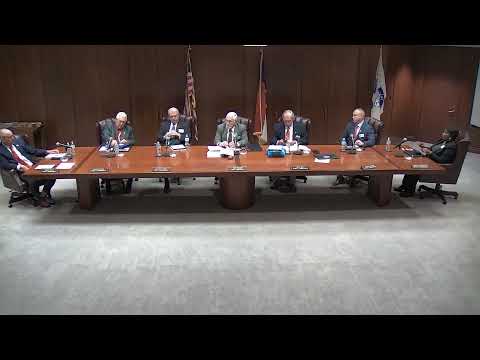
Columbus County commissioners approve changes to vape, tobacco, hemp retail rules; add special-use permit, seek fee options
Summary
The Columbus County Board of Commissioners adopted amendments to a vape/tobacco/hemp retail ordinance on Dec. 2, 2024, lowering the allowable product-percentage threshold, adding a special-use permit requirement and directing staff to study licensing or fee options and enforcement, including an amortization schedule for existing businesses.
The Columbus County Board of Commissioners voted Dec. 2 to adopt amendments to the county's vape, tobacco and hemp retail shop ordinance that lower the allowable product threshold, add a special-use permit requirement for retailers and ask staff to propose licensing or fee options.
Board members debated changes at length before the final vote, with commissioners describing concerns about youth access, jurisdictional limits on taxation and enforcement mechanisms. The board directed county staff and legal counsel to investigate the county's authority to impose fees and to return with recommended language and an implementation (amortization) schedule for existing businesses to come into compliance.
The ordinance change follows several months of discussion. Planning staff presented the ordinance for a second reading and recommended approval as presented. Several commissioners then pushed to reduce the fraction of retail product allowed for vape sales from the ordinance's existing threshold to as low as 1 percent or 0 percent, and to require a special-use permit so the county would have a formal process to track and regulate those businesses.
Commissioner comments were sharply focused on enforcement and local impacts. Commissioner Gary Byrd and Commissioner Ricky Bullard pressed for stricter limits and a licensing mechanism or fee to help fund enforcement and educational programs; Bullard explicitly proposed lowering the allowed vape-percentage to 1 percent and adding a special-use permit requirement. County staff and the county attorney told the board they would research whether the county may legally impose an annual license fee and, if so, recommend a fee schedule.
County legal guidance cited limits on certain taxing powers at the state level and recommended any fee be tied to statutory authority. The board also instructed staff to prepare notice and an amortization schedule for existing businesses so the public and affected retailers understand the timeline for compliance once the ordinance is adopted.
The board's action establishes zoning-based restrictions (special-use permitting) and initiates work by planning and legal staff on possible licensing or fee language, enforcement steps and public notifications. The amended ordinance sets a process for the county to require permits for retail operations selling vape, tobacco and hemp products and to pursue a fee schedule if state law permits.
The county attorney and planning staff will return with draft fee language and implementation details at a later meeting; the board did not set a specific fee or final annual license amount on Dec. 2.
Speakers quoted in this article spoke during the ordinance discussion or during the second-reading agenda item and are listed below.