Get AI Briefings, Transcripts & Alerts on Local & National Government Meetings — Forever.
UN Security Council briefed on escalating violence in Myanmar as UK urges action
Summary
British and other speakers told the Security Council that four years after the 2021 coup violence in Myanmar has intensified, leaving thousands dead, millions displaced and urgent humanitarian needs. The UK said it circulated a draft resolution five months ago; speakers called for stopping arms and fuel supplies and for the Council to act.
The United Nations Security Council heard briefings Wednesday on the intensifying violence in Myanmar and calls for stronger international action, including efforts to halt shipments of weapons and jet fuel to the country’s military.
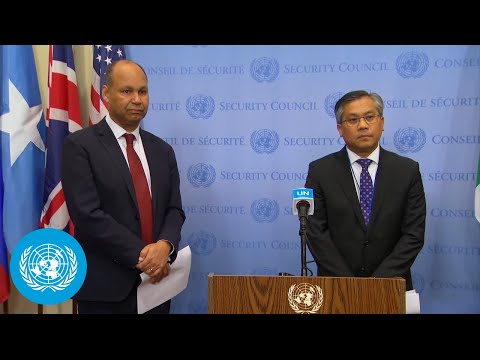
The UK ambassador, opening the meeting, said the council had convened to discuss “Myanmar” and warned that the military’s campaign since the 2021 coup has produced “more than 6,000 Myanmar civilians” killed and a dramatic rise in air strikes. The ambassador said the UK circulated a draft resolution five months ago urging parties to cease attacks on civilians, comply with international humanitarian law and stop transfers of weapons and fuel to the military, but that “a small minority has prevented the council from taking such action.”
Ambassador Kiai Motun said the coup will reach four years in two days and urged immediate steps. “The people of Myanmar are very determined to build a new Myanmar with a federal democratic union,” Motun said, adding that the people and the National Unity Government are working with ethnic resistance forces and other groups. Motun called for rejection of what he described as a planned “sham election” by the military and repeated appeals to the Security Council and the international community to stop the flow of weapons, jet fuel and other supplies to the junta.
Why it matters: speakers at the meeting described widespread displacement and humanitarian need, and they said the trajectory of violence threatens further civilian harm. The UK briefers and other participants emphasized both the humanitarian dimensions and the need for measures to limit the military’s capacity to wage war inside Myanmar.
Key facts from the briefings and questions that followed: attendees said more than 3.5 million people are displaced and nearly 20 million are in need of humanitarian assistance inside Myanmar. Speakers also said the use of air strikes has surged since 2021 — described in the meeting as roughly 25 times higher than in 2021 — and that the use of improvised explosive devices, land mines and shelling has been higher on average in the past year than in prior years since the coup. The UK briefers noted they have imposed sanctions on 25 individuals and 33 businesses alleged to be involved in supplying the junta.
On prospects for elections, a reporter asked what would be required for the Security Council to support free and fair elections. Motun said the people of Myanmar “reject the election” if run by the military and urged the international community to do the same. The UK ambassador agreed with prior public statements of the secretary-general that conditions for credible elections do not now exist and said the council would support elections when conditions are right.
Discussion versus formal action: no formal resolution was adopted at the meeting. Speakers noted that the council had a draft resolution months earlier and that UN Security Council Resolution 2669 (referenced in the briefing) has not been implemented in ways attendees described as effective; meeting participants called for stronger implementation or new measures. Several speakers said that if the Security Council cannot act, the General Assembly and other avenues should be explored to press for international measures.
Looking ahead: briefers said the council planned a private meeting following the public session to discuss next steps. Delegations urged stopping weapons and fuel flows and called for greater cooperation among the UN, ASEAN and other stakeholders to reduce hostilities and expand humanitarian access.