Get Full Government Meeting Transcripts, Videos, & Alerts Forever!
Water Quality Fees Board approves FY2026 changes to stormwater incentive grants, including contingency limits and new scoring priorities
Summary
The Water Quality Fees Board voted on Jan. 16 to adopt a set of changes to the FY2026 Stormwater Quality Projects Incentive Grant application packets and scoring sheets, approving a group of staff recommendations intended to refine eligibility, limit contingency claims and steer awards toward projects that advance water-quality goals.
The Water Quality Fees Board voted on Jan. 16 to adopt a set of changes to the FY2026 Stormwater Quality Projects Incentive Grant application packets and scoring sheets, approving a group of staff recommendations intended to refine eligibility, limit contingency claims and steer awards toward projects that advance water-quality goals.
The board approved continuation of the program—s change-order fund, a 20% cap on contingency costs in construction budgets, a 5-point scoring bonus for applicants that have not previously received a grant award, and new scoring and application language that covers research monitoring, impervious-area exclusions, minimum setbacks for best-management practices, and handling of projects near the Royal Springs recharge area. Board members also approved revisions to reward projects that address impaired streams and to tie E. coli scoring to documented BMP effectiveness.
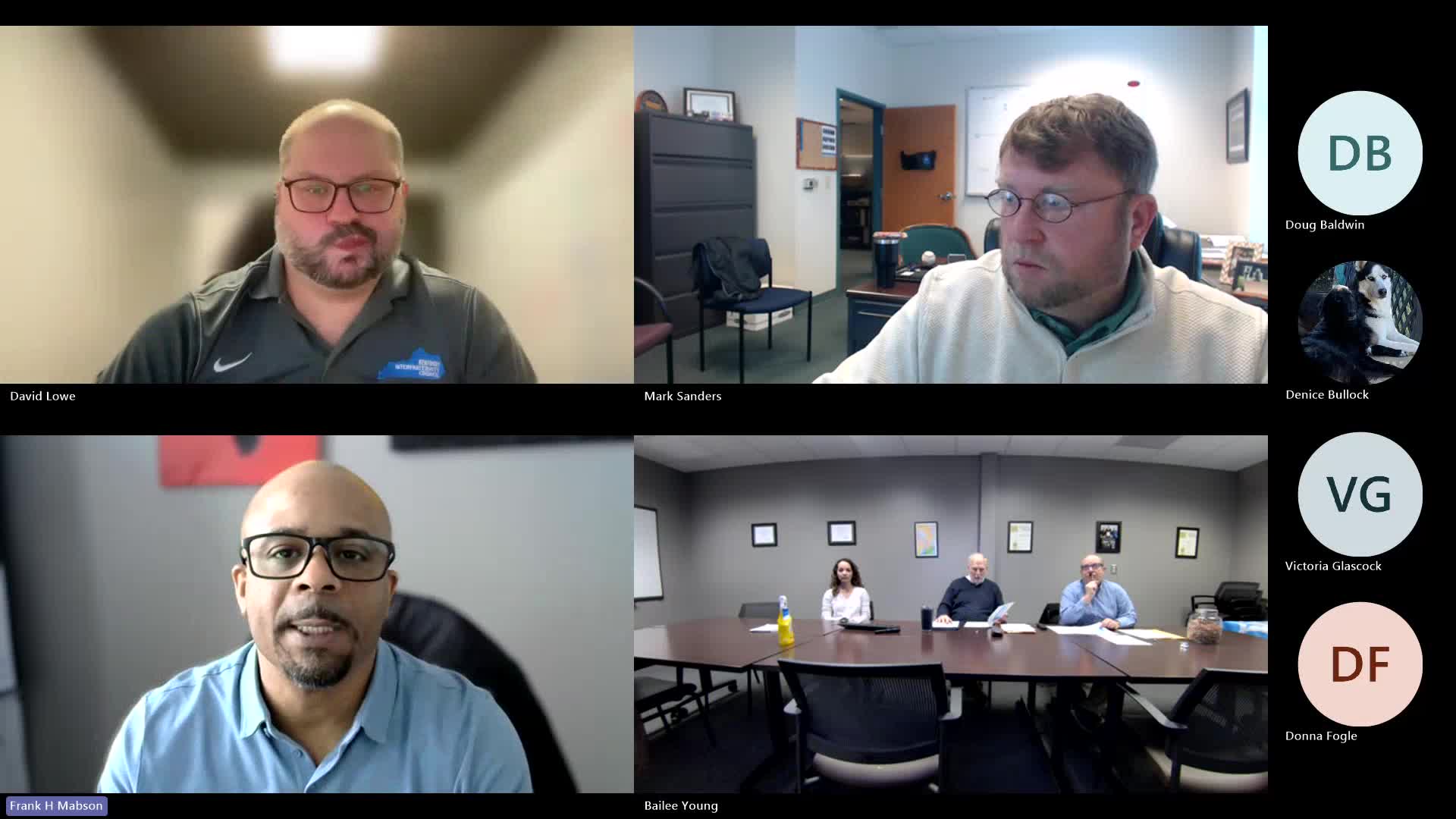
The package was presented by Frank, staff member, LFCCG Division of Water Quality, who walked the board through a staff memo listing recommended edits and the reasons behind them. Frank said the memo "lists programmatic changes that staff has suggested and that the board will need to discuss and vote on each item" and noted staff had prepared score-sheet exhibits and example language for each change.
Why it matters: the changes alter how applications will be scored and what costs are eligible for reimbursement. They aim to reduce ambiguity in budgets and to encourage projects that target impaired streams and measurable pollutant reductions rather than surface work (for example, paving) that does not directly improve water quality.
Key decisions and details
- Change-order program continued: Staff described the change-order fund as a tool to provide additional funds for…
Already have an account? Log in
Subscribe to keep reading
Unlock the rest of this article — and every article on Citizen Portal.
- Unlimited articles
- AI-powered breakdowns of topics, speakers, decisions, and budgets
- Instant alerts when your location has a new meeting
- Follow topics and more locations
- 1,000 AI Insights / month, plus AI Chat