Get Full Government Meeting Transcripts, Videos, & Alerts Forever!
Get email alerts on the Electricity Delivery Prescriptive Easements topic
No spam. Unsubscribe anytime.
Committee pauses prescriptive-easement bill after landowner and utility concerns
Summary
Senate File 87, which would create statutory prescriptive easements for electricity delivery where unrecorded historic access exists, was discussed at length and laid back for rework after landowner attorneys and cooperative representatives urged clarifications on scope, upgrades and due process
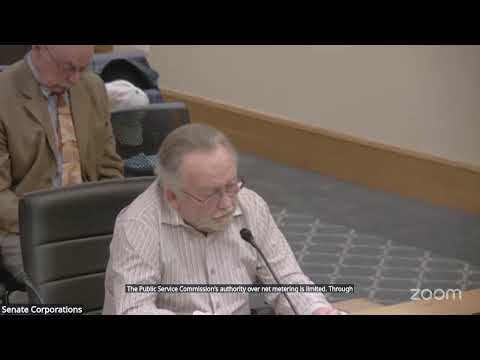
Senate File 87, a proposal to provide prescriptive easements for electricity delivery to address access to older, unrecorded lines, was debated at length in the Wyoming Senate Corporations, Elections & Political Subdivisions Committee before sponsors agreed to lay the bill back for reworking.
Sponsor Senator Ed Cooper said the measure stems from rural electric associations that face access problems when lines were installed by “handshake” agreements generations ago and later land ownership changes left utilities without recorded easements. Sean Taylor, executive director of the Wyoming Rural Life Association, told the committee the intent is modest: to allow crews access for safety work, vegetation management and repairs on long-used routes. Taylor asked the committee to change the bill’s five-year use threshold to 10 years following consultation with landowner groups.
Multiple landowner attorneys raised legal and constitutional concerns. Counsel for landowner groups pointed to Wyoming case law on prescriptive easements and warned the bill, as drafted, would expand rights beyond traditional elements (open and notorious use, adversity, continuous use) and allow easements to be enlarged or converted in scope without sufficient limits. Testimony cited Powder River Ranching v. Michelena (2005) as precedent for Wyoming prescriptive-easement law and urged inclusion of protections such as clear limits on easement width, express requirements for open and notorious use, and due-process safeguards including notice and an ability to seek compensation.
Witnesses also pressed the bill’s language regarding upgrades and access. Committee members and witnesses discussed whether the bill should explicitly prevent enlarging easements, restrict upgrades without landowner consent, or require a good-faith negotiation period before statutory remedies apply. Utilities and co-op representatives said they want a workable solution to access problems; landowners sought guardrails against expanding easement scope, potential physical impacts to property, and loss of compensation.
After extended discussion, the sponsor and committee members agreed the bill needs substantial rework. Senator Cooper said he would lead stakeholder negotiations and Senator Steinmetz volunteered to assist. The committee laid the bill back without prejudice to allow sponsors, utilities and landowner representatives to draft clearer language addressing duration (5 v. 10 years), scope of permitted work, limits on upgrade or enlargement, and due-process safeguards.
The committee did not take a final vote on the underlying prescriptive-easement language and deferred the measure pending revised draft language and stakeholder meetings.