Get Full Government Meeting Transcripts, Videos, & Alerts Forever!
Get email alerts on the Health And Community Programs topic
No spam. Unsubscribe anytime.
New Narrowsburg nonprofit proposes six-week "Empowered Menopause" series for Sullivan County
Summary
The Field Office, a new nonprofit based in Narrowsburg, presented a six-week community program — "Empowered Menopause" — that pairs health experts and artists to normalize menopause and offer education, low-cost access and some free slots.
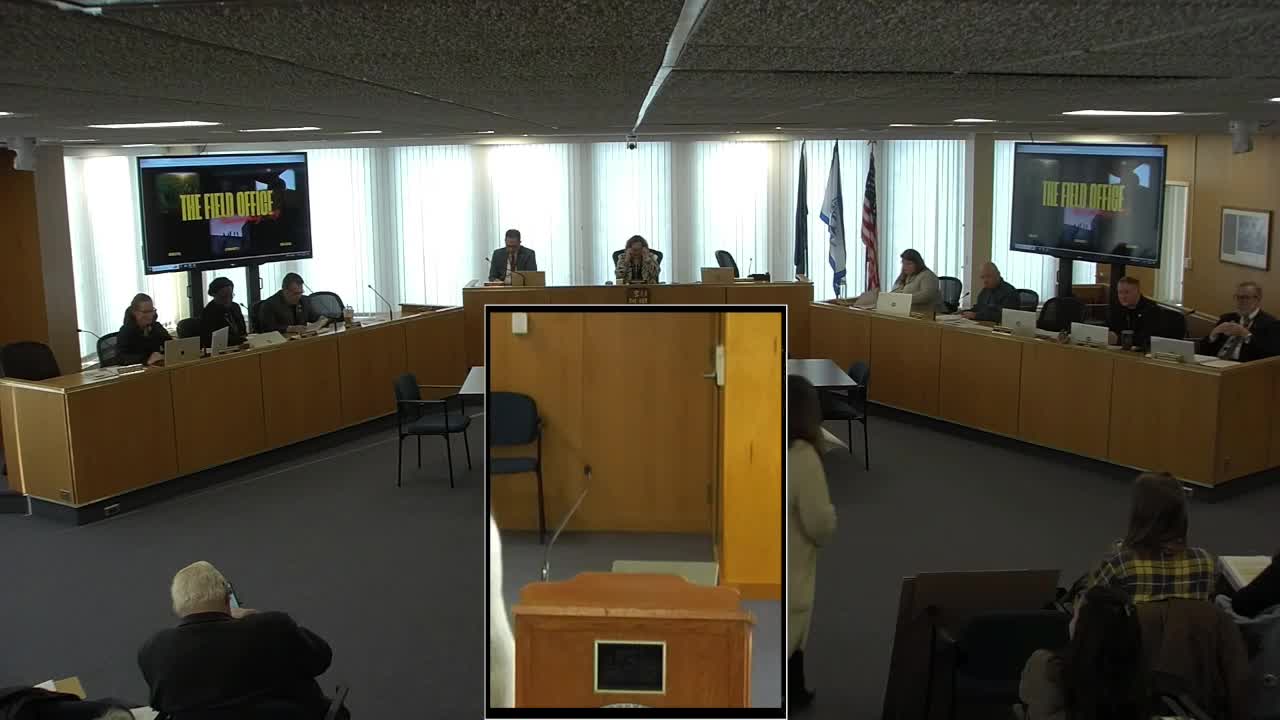
The Field Office, a newly launched nonprofit operating out of Narrowsburg, introduced a six-week program called "Empowered Menopause" during the Sullivan County Executive Committee meeting presentation.
The program aims to “connect people through our stories, through conversation, through arts and wellness programming,” said Liza Bennett, co‑founder of the Field Office. The series will combine expert-led health sessions and low-stakes creative engagement so participants can both learn practical tools and share experiences.
Organizers said the program will cover what happens physically and emotionally during perimenopause, menopause and postmenopause; nutrition and exercise; sleep and stress; the role of hormone replacement therapy; and botanicals and supplements. “We’re gonna explore the physical, emotional and the lifestyle aspects of this transformative stage,” said Susan Mendoza, who described herself as owner and operator of the Cheahive Gym and Wellness in Narrowsburg and one of the program’s facilitators.
Facilitators named by presenters include Pamela Mayer, described as a local artist who researched menopause over many years, and Natasha Demner, a functional‑medicine health coach and breast cancer survivor who is training as a women’s midlife specialist. Creative engagement for the series will be led by artist and educator Shailen Bennett, the presenters said.
The Field Office said accessibility is a primary value and described tiered pricing with free slots available. Organizers gave sample rates that they said equate to about $12 per class at a community‑supported rate and up to $25 per class for a paying slot that funds an additional free or subsidized seat. Presenters said they are still building funding and welcome donations or gifted slots; one committee member offered to donate seats during the discussion.
Registration and contact information provided by presenters included a flyer, an email address for Susan Mendoza (susan@thecheehive.com) and a website (thecheehive.com). The presenters asked the county to help amplify the program as it seeks partners and participants.
Committee members thanked the presenters and asked about donation and partnership options; presenters said they would leave contact materials and follow up with attendees. The presentation did not request any county funding or official action.
The presentation occurred during the executive committee’s regular meeting agenda; organizers said they intend to run the program locally and to partner with community health experts and local artists.