Get Full Government Meeting Transcripts, Videos, & Alerts Forever!
Get email alerts on the Administrative Procedures Appeals topic
No spam. Unsubscribe anytime.
Kenai Peninsula Borough staff outline changes to hearings and appeals code; ordinance introduces standing rules and new timelines
Summary
Deputy borough attorney presented Ordinance 2025-3 to amend KPB chapter 21.20, clarifying standing for quasi‑judicial appeals, shifting some appeal costs, adjusting briefing timelines and allowing administrative consolidation; public hearing set for Feb. 25, 2025.
The Kenai Peninsula Borough assembly heard a staff presentation on Ordinance 2025-3, an amendment to KPB chapter 21.20 that would revise procedures for hearings and appeals of quasi‑judicial planning decisions.
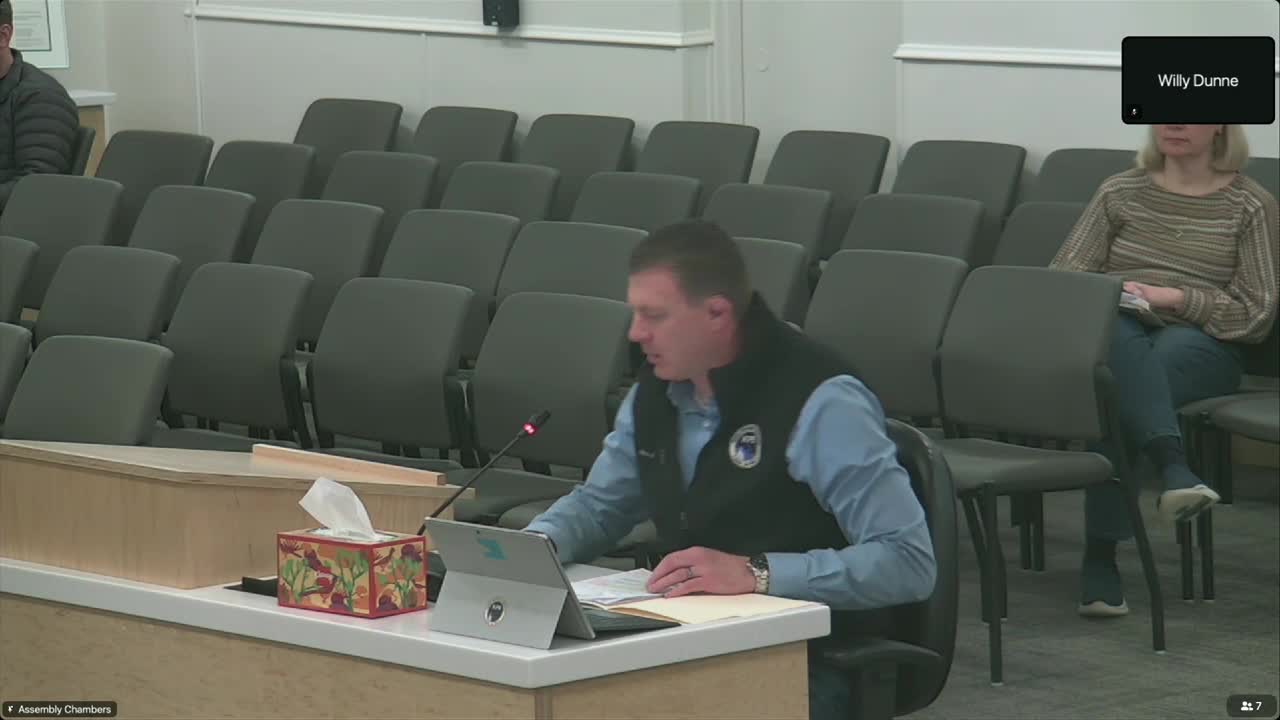
Walker Steinhage, deputy borough attorney, summarized six primary changes the ordinance would enact: establish criteria for standing to appeal quasi‑judicial decisions; make planning commission the hearing officer for appeals from some planning staff decisions; require appellants to pay record/transcription fees currently borne by the borough; authorize the hearing officer to dismiss appeals lacking sufficient standing or specificity; change the briefing sequence so the appellant files first and adversaries respond before a reply; and extend the decision deadline for hearing officers from 15 to 45 days.
Steinhage said the standing provision narrows who may bring an appeal while preserving notification‑based rights for those within specific radii (for example, 500 feet as used in other code sections). He said the briefing change shifts from simultaneous filings to a more traditional sequence so responding parties can tailor replies to the appellant’s claims.
Assembly members asked technical questions about notice and who determines affected parties. Planning staff and Steinhage said staff (planning department or River Center staff depending on the matter) issues notice, typically using GIS to identify notification radii. Miss Turner clarified that appeals of planning staff or director decisions go to the planning commission and that her department issues notices when appeals proceed.
Steinhage said municipalities such as Homer and Anchorage have similar standing definitions and this rewrite aligns the borough code more closely with other local governments and provides clearer first‑level review criteria.
The ordinance was introduced for further consideration; a public hearing is scheduled for Feb. 25, 2025. No final action or vote on Ordinance 2025-3 was taken at the committee meeting.