Get Full Government Meeting Transcripts, Videos, & Alerts Forever!
Get email alerts on the Nonprofit Audit topic
No spam. Unsubscribe anytime.
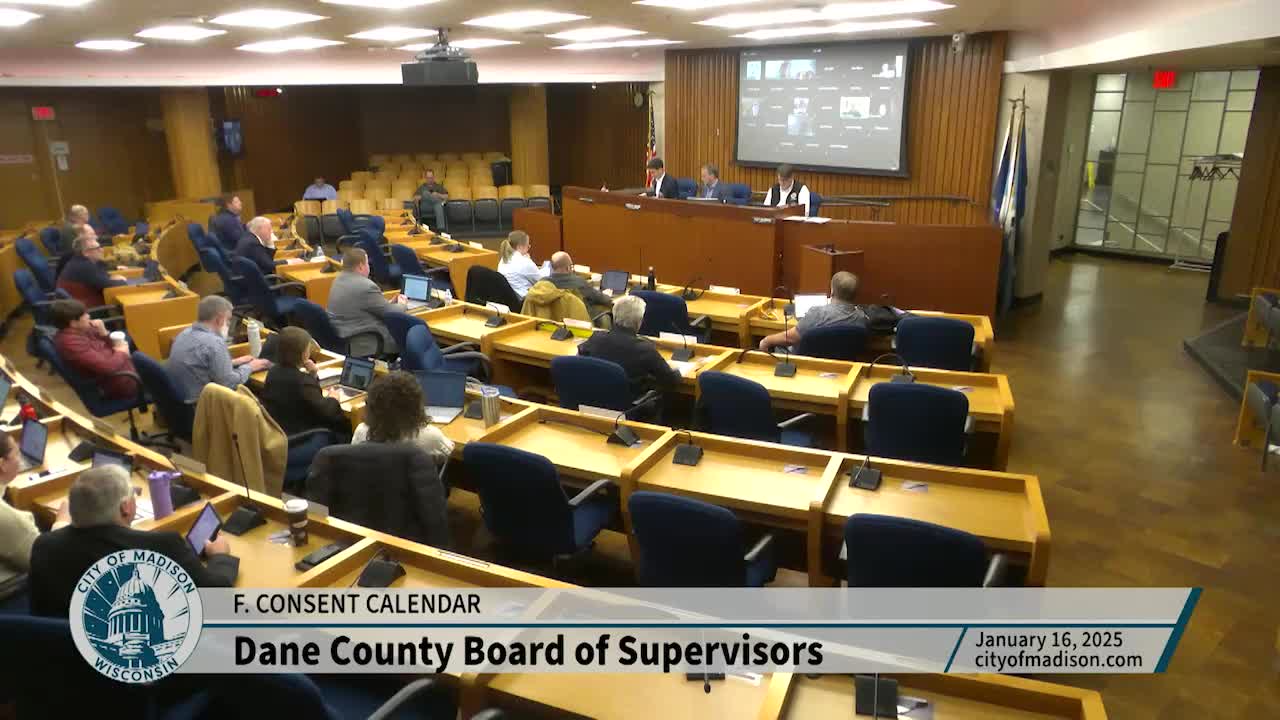
Dane County Board declines proposal for independent forensic audit of Urban Triage funding, 28–5
Summary
The Dane County Board voted 28–5 to deny a resolution that would have authorized an independent forensic audit of Urban Triage’s county-funded programs over the past three years.
The Dane County Board of Supervisors voted 28–5 to deny a resolution (2024 Resolution 183) that would have authorized an independent forensic audit of funds paid to Urban Triage over the last three years.
The resolution was referred to the full board with a Health and Human Needs Committee recommendation of denial. A supervisor advocating for the audit argued the county had entrusted Urban Triage with more than $32 million since 2020 and urged fact-finding to reassure taxpayers and, if necessary, identify improvements. The speaker also cited figures reported in filings and news coverage, including a reported CEO compensation figure and internal-control findings in Urban Triage’s own audited financial statements.
County corporate counsel told the board the county could not unilaterally compel the broad forensic audit described in the resolution. Counsel said many contractual agreements permit cooperation with federal or state audits, but the specific scope the resolution requested would exceed the county’s enforceable authority unless the provider agreed. Interim Human Services leadership told the board they had not seen audit findings that revealed material misappropriation requiring a forensic investigation. Controller Hicklin said he was not aware of financial issues that would warrant further investigation beyond existing contractual and audit remedies.
Supervisors offered differing views. Several said oversight is the board’s duty and supported an audit or stronger contract terms; others said staff had reviewed available records, that the county’s contractual reimbursement process and departmental oversight mitigate risk, and that asking for an audit the county cannot compel would be an improper use of resources. One supervisor suggested rewriting the resolution to focus on enforceable contract terms and technical fixes rather than a broad, potentially unenforceable demand.
A roll call was held after extended discussion. The clerk recorded 28 votes in favor of the committee recommendation to deny the resolution and 5 votes opposed to the committee recommendation; a few supervisors were absent. With the denial, Resolution 183 was not adopted.
The board’s staff memo and comments during the meeting stressed differences among programs (for example, quick-move-in funds versus rapid rehousing) and noted that some emergency assistance funds were administered under federal rules and other sources; staff said rapid-rehousing activity used multiple funding sources and that apparent overspending in some programs had been covered by non-county funds and did not constitute county-funded misappropriation. Several supervisors urged staff to continue oversight of contracts and, where needed, return with enforceable contract remedies or a narrower audit proposal.