Get Full Government Meeting Transcripts, Videos, & Alerts Forever!
Richmond officials, advocates press for expanded shelter access and coordinated services after cold-weather crisis
Summary
Public commenters and city staff told the EHS committee that emergency shelter capacity, coordinated entry and food support are insufficient after recent cold weather and a spike in EBT thefts; city officials described steps underway, including expanded beds, outreach, and plans to convene stakeholders in coming weeks.
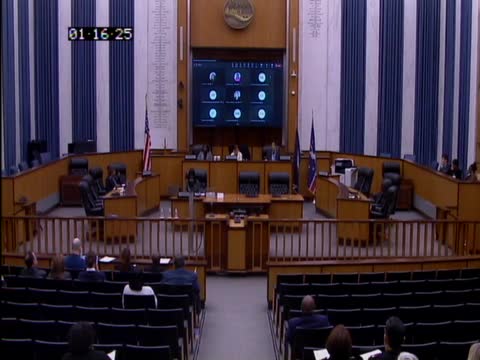
Richmond City Council’s Emergency Human Services Committee heard extended public testimony and heard city staff describe immediate and longer-term steps to address unsheltered homelessness after a recent cold-weather emergency and a spike in stolen SNAP (EBT) benefits.
Residents and advocates told the committee that overflow shelters and outreach did not meet need during the cold snap, citing adults and children left outdoors and at hotels; nonprofit providers described operating challenges and called for more permanent, deeply affordable housing. “The people living on the streets absolutely cannot wait any longer,” said Tracy Hartney Scott, housing chair for the Virginia State Conference NAACP in Richmond.
The committee’s deputy chief administrative officer for human services, Tracy DeShazer, said city staff “hear you. We see you, and we appreciate you continuing to…work with us,” and outlined near-term and system-level priorities: expand year-round bed capacity where possible, improve the coordinated-entry “front door” for people in crisis, identify walk-up intake locations, and convene a stakeholder group in the next two to three weeks to coordinate partners and data.
Why it matters: Committee members, providers and advocates stressed that shelters alone cannot end homelessness; they argued that stable, deeply affordable housing and supportive services are required to reduce returns to the street. At the same time advocates said immediate, life‑saving shelter and food access must be reliably available during extreme weather.
What advocates reported - Several speakers described clients and neighbors left outdoors during dropping temperatures and questioned why overflow shelters closed when overnight…
Already have an account? Log in
Subscribe to keep reading
Unlock the rest of this article — and every article on Citizen Portal.
- Unlimited articles
- AI-powered breakdowns of topics, speakers, decisions, and budgets
- Instant alerts when your location has a new meeting
- Follow topics and more locations
- 1,000 AI Insights / month, plus AI Chat