Get Full Government Meeting Transcripts, Videos, & Alerts Forever!
Sedona reviews wastewater facility plan; PFAS removal, reclaimed‑water delivery and potable reuse could cost millions
Summary
Sedona City Council received an update on the wastewater reclamation plant facility plan that says the plant's process and hydraulics can handle projected build‑out flows but that rising PFAS concentrations and regulatory uncertainty could require large capital investments.
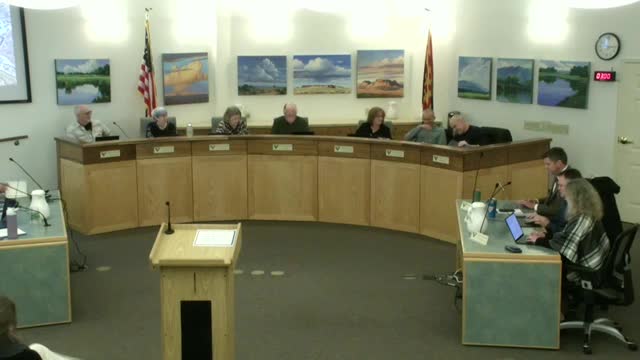
Sedona City Council received an update on the city's wastewater reclamation facility plan and options for managing effluent, including PFAS treatment, reclaimed‑water delivery for parks and an advanced water purification (potable reuse) system. The presentation by Corolla Engineers showed the plant can handle projected build‑out flows from a hydraulic and treatment‑process standpoint but identified rising concentrations of PFAS and other constituents and large, conceptual costs for treatment and delivery options.
The facility plan presentation opened with Roxanne, a city staff member, who said the city had paused some FY25 projects so consultants could complete a comprehensive plan. "We identified either we need to move forward with some recharge wells or we need to make some significant improvements to our irrigation," Roxanne said. Jessica Dreeseng, principal with Corolla Engineers, summarized the study and noted the team evaluated capacity, PFAS treatment alternatives and effluent‑management options downstream of any PFAS work.
Why it matters: PFAS (per‑ and polyfluoroalkyl substances) are persistent at nanograms‑per‑liter levels and are the subject of new federal drinking‑water maximum contaminant levels (MCLs). Sedona's plan assumes state rulemaking will tie wastewater limits to drinking‑water MCLs and recommends the city consider PFAS treatment as a regulatory and public‑health risk even as state rulemaking proceeds.
Key findings and numbers
- Current and projected flows: Corolla Engineers used five years of data and process checks and reported an average daily flow near 1.16 million gallons per day (MGD) and a projected build‑out average of about 1.6 MGD. Firm, process‑level capacities for major units were reported sufficient for the anticipated build‑out, with the consultant noting some piping upsizing near the UV disinfection unit is needed.
- PFAS monitoring: Staff has begun monitoring influent and effluent PFAS at the plant and found occasional exceedances when compared to drinking‑water MCLs; the presentation warned PFAS species can transform during treatment and effluent values…
Already have an account? Log in
Subscribe to keep reading
Unlock the rest of this article — and every article on Citizen Portal.
- Unlimited articles
- AI-powered breakdowns of topics, speakers, decisions, and budgets
- Instant alerts when your location has a new meeting
- Follow topics and more locations
- 1,000 AI Insights / month, plus AI Chat