
Transit Commission updates public‑hearing notice policy to digital postings, tightens definition of major service reductions
Get AI-powered insights, summaries, and transcripts
Subscribe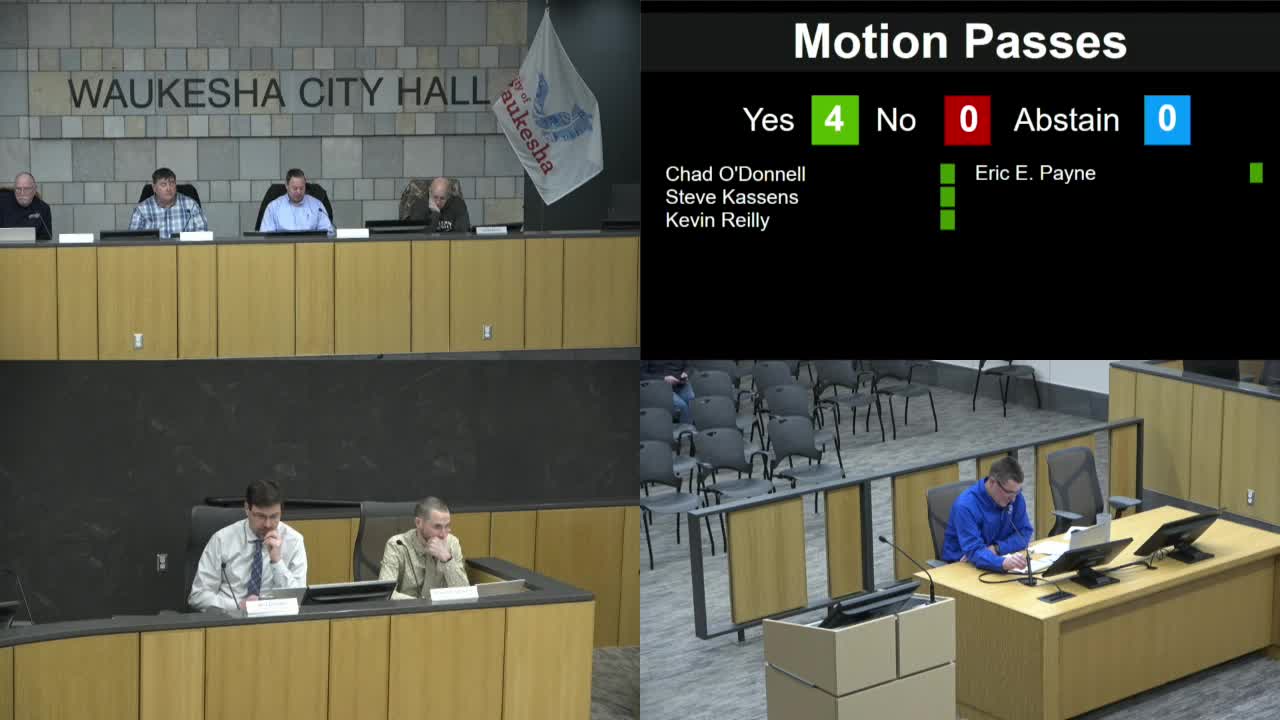
Summary
The commission approved revisions to its public‑hearing notice policy to reflect modern communications (web, social media, on‑vehicle postings) and redefined a 'major' service reduction as a 20% or greater reduction of service hours per route per service day; the change aligns the policy with current practice and FTA requirements.
The Waukesha Transit Commission voted Jan. 9 to update its public‑hearing notice policy, replacing an outdated requirement to mail notices to municipalities with modern notification methods — website postings, notices at the Transit Center, on‑bus postings and electronic outreach — and clarifying when a change requires a public hearing.
Staff said the existing policy, adopted more than 30 years ago, still required mailed notices and used an ambiguous 10% service‑hour threshold. The revised policy sets a clearer threshold: a change that reduces service hours by 20% or more on a per‑route, per‑service‑day basis will be treated as a major service reduction and trigger a public hearing. The change is intended to align the policy with current Federal Transit Administration requirements and the agency’s existing practices.
"We wanted to include posting on our website and the transit center and on the buses themselves," Brian, the transit presenter, said. He told commissioners the city attorney had advised aligning policies with current practices.
Commissioners voted unanimously to adopt the revisions. A motion to act on the proposed revisions was moved by Alderman Eric Payne and seconded by Kevin Riley; Cassins, Kevin Riley, O'Donnell and Payne voted aye.