Get Full Government Meeting Transcripts, Videos, & Alerts Forever!
Get email alerts on the Workforce Development topic
No spam. Unsubscribe anytime.
United Way outlines LevelUp job-training program and East Chicago-specific grants
Summary
United Way Northwest Indiana presented LevelUp, a navigator-led job-training and financial-wellness program aimed at ALICE households; presenters described eligibility, supports such as childcare and barrier assistance, apprenticeship partnerships, and East Chicago–targeted grants for youth.
United Way Northwest Indiana staff described LevelUp, an individualized job-training and financial-wellness program the organization said helps ‘‘ALICE’’ households (asset-limited, income-constrained, employed) move to more secure employment. The presenters said LevelUp combines a one-on-one navigator, financial counseling, required financial-wellness coursework, and enrollment in job training or certification classes chosen by clients.
Courtney Wedrick, LevelUp assistant director, said eligibility includes Northwest Indiana residency, age 18 or older, a valid driver’s license and reliable transportation (the program can assist with repairs), and a minimum of 30 hours of work per week. Participants must complete a 90-day financial-wellness sequence that includes working with a financial counselor and 14 online money‑smart modules before enrolling in training. United Way staff said they will cover childcare while clients are in training and can provide short-term assistance for other barriers such as one month of rent if needed.
Presenters described navigator responsibilities as ongoing emotional and practical support; clients work weekly with navigators and may receive individualized help with budgeting, credit review, and training placement. United Way staff said program length is customized and can range from about six months to 24 months, depending on client needs.
United Way noted two grants reserved specifically for East Chicago residents, including youth funding targeted at ages 17–24 that the organization plans to roll out after a new CEO starts in January 2025. Presenters identified community partners and apprenticeship pathways, including engagement with construction and trade unions, and asked the board to serve as local ambassadors to share program information with families and community partners.
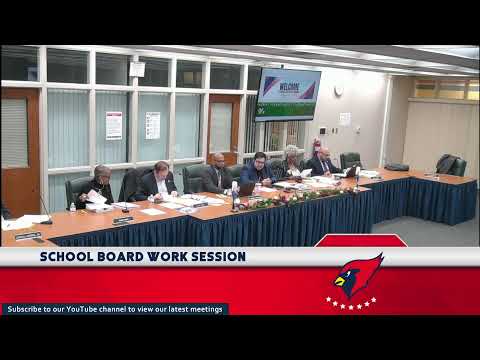
Board members asked about integrating LevelUp into district services, including Career and Technical Education and programs serving McKinney‑Vento (homeless) students. United Way staff said they would coordinate with district social workers and CTE staff and welcomed referrals.
Presenters and trustees discussed program scale and outcomes. United Way staff reported program participation figures for East Chicago, but the transcript contains inconsistent numeric statements: at one point presenters said “12 families are actively on our caseload and 2028 that have graduated” from East Chicago; later they said “over 200 clients actively enrolled in the program, and over 200 that have graduated.” The transcript provides no reconciled official counts; United Way representatives said they currently have active clients and graduates and that more East Chicago–targeted funding is available to expand outreach.
The board took no formal action during the work session. United Way staff left ambassador kits and contact information and said they will return if the board requests further presentations.