Staff proposes rewrite of short‑term rental and lodging definitions to align with building code and tax rules
Loading...
Summary
Kodiak Island Borough staff presented proposed changes to short‑term rental, lodging house, bed‑and‑breakfast and dwelling‑unit definitions to align borough code with state building codes and the transient accommodation tax. Commissioners asked staff to get attorney review and coordinate with assembly work on related topics.
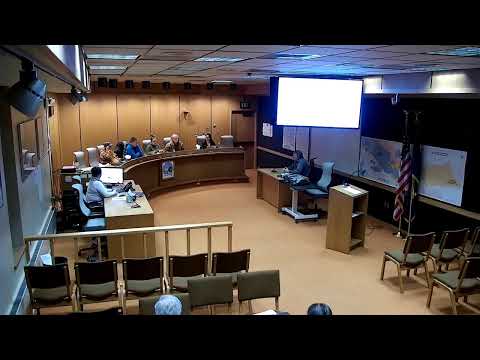
Kodiak Island Borough staff presented a draft of revisions on Jan. 8 to the borough's definitions for short‑term rentals, lodging houses, bed‑and‑breakfasts and dwelling units. The proposal aims to reconcile municipal definitions with building codes and the state's transient accommodation tax rules.
Why it matters: the revisions change how the borough distinguishes short‑term rentals (what many call vacation rentals or whole‑home listings) from long‑term rentals and lodging‑type uses. That distinction affects where different lodging uses are permitted, which activities must obtain a zoning compliance permit and who must collect transient accommodation tax.
Key elements of the staff proposal explained to the commission include:
- Change the vacation home definition from "not to exceed 30 days" to "not to exceed 29 consecutive days" so it matches the building‑code and transient accommodation tax definitions for transient stays.
- Define "short‑term rental" as a dwelling unit rented or leased for fewer than 30 consecutive days and apply that term to whole units (single‑family, duplexes, condominium units or accessory dwelling units).
- Create or clarify a "lodging house" definition for situations when a permanent occupant rents out one or two rooms (longer‑term residents renting rooms would fall under long‑term rental rules rather than transient accommodation rules).
- Reconcile the borough dwelling‑unit definition with building codes by specifying that a dwelling unit provides complete independent living facilities for one family and removing a clause in the current code that allowed a dwelling unit to lodge not more than two persons for hire (a loophole the staff said has let some short‑term room rentals avoid zoning compliance requirements).
Staff cited building codes (IRC/IBC) for the building‑type distinctions and the state transient accommodation tax (applies to stays of 29 consecutive days or fewer). Staff also told the commission that the borough's bed‑and‑breakfast code currently limits guest rooms to five but that staff believed at least one bed‑and‑breakfast in the borough has eight guest rooms; the commission flagged that as a policy question staff should research further.
Commissioners asked how the existing two‑person lodging provision in the dwelling‑unit definition interacts with the transient accommodation rules. Staff explained that if two people rent rooms in a house but stay for months, those arrangements are long‑term rental situations and not transient accommodations; by contrast, whole‑unit short‑term rentals would be captured by the short‑term rental definition and the zoning compliance permit process (which requires transient accommodation tax registration).
Staff said they had discussed related work with the borough manager and had informed assembly members who are drafting related policies. Commissioners asked staff to send the revised language to the borough attorney for review and to return the ordinance for another work session; the commission did not take a formal vote.
What comes next: staff will have the borough attorney review the proposed definition changes, verify the current number of bed‑and‑breakfast guest rooms in the borough, and coordinate with assembly work on short‑term rental rules before returning the item to the commission. No formal action was taken at the Jan. 8 work session.