
Public commenter tells council Cypress Ditch plan underestimates local flooding; urges focus on on‑site detention
Get AI-powered insights, summaries, and transcripts
Subscribe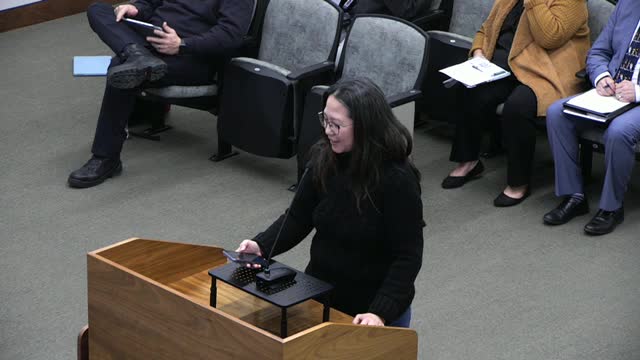
Summary
A resident technical presenter told council that the city’s Cypress Ditch remote‑detention approach may underdeliver because fences and other details were not captured in the model, and urged investment in local detention and inspection/cleaning of storm infrastructure.
Bellaire — During public comment on Jan. 6 a resident with technical experience urged the City Council and staff to prioritize local detention measures over remote detention (Cypress Ditch) and to recognize that existing models may understate flood risk because they do not include fences and other above‑ground obstructions.
The presenter, identified at the conclusion of his remarks as Miss Truong, described differences between drainage (moving water quickly downstream) and detention (holding stormwater locally so it does not exacerbate downstream flooding). He said the Cypress Ditch approach provides remote detention but that model inputs used aerial and LiDAR data that do not capture residential fences; those fences can act like dams, diverting sheet flow onto streets and causing higher water levels locally.
“Fences act as dams which channel flow down the major streets,” the presenter said, explaining that in some Southdale neighborhoods a majority of flooded properties were along streets where fence‑induced channeling pushed water into roadways and yards before it could reach remote detention. He urged the city to prioritize local detention and to implement a storm‑sewer inspection and cleaning program, noting that local detention reduces downstream backups and is an effective mitigation where funding is limited.
Public Works staff later described ongoing drainage division work, new SOPs for inspection and cleaning and a newly implemented drainage program with targeted quadrants and routes for daily work; the council asked staff to continue monitoring problem areas and to coordinate with residents.
The council did not take immediate action on a new ordinance; the comment was forwarded to Public Works for follow‑up analysis and potential project prioritization.