Get Full Government Meeting Transcripts, Videos, & Alerts Forever!
Get email alerts on the Municipal Budget topic
No spam. Unsubscribe anytime.
Melbourne council directs staff to draft capital- and debt-policy, ties road and equipment funds to property tax share
Summary
Facing shrinking predictable revenue streams and rising costs for vehicles, fire stations and pavement work, Melbourne—s finance director laid out the city—s fiscal picture and the council approved direction to estimate revenue at the current millage and to create dedicated road and equipment subfunds and draft capital and debt policies.
Melbourne — Finance officials and the City Council agreed June 10 to keep budget planning based on the current millage rate while directing staff to develop formal capital-planning and debt policies and to create two dedicated subfunds for road replacement and machinery/equipment replacement.
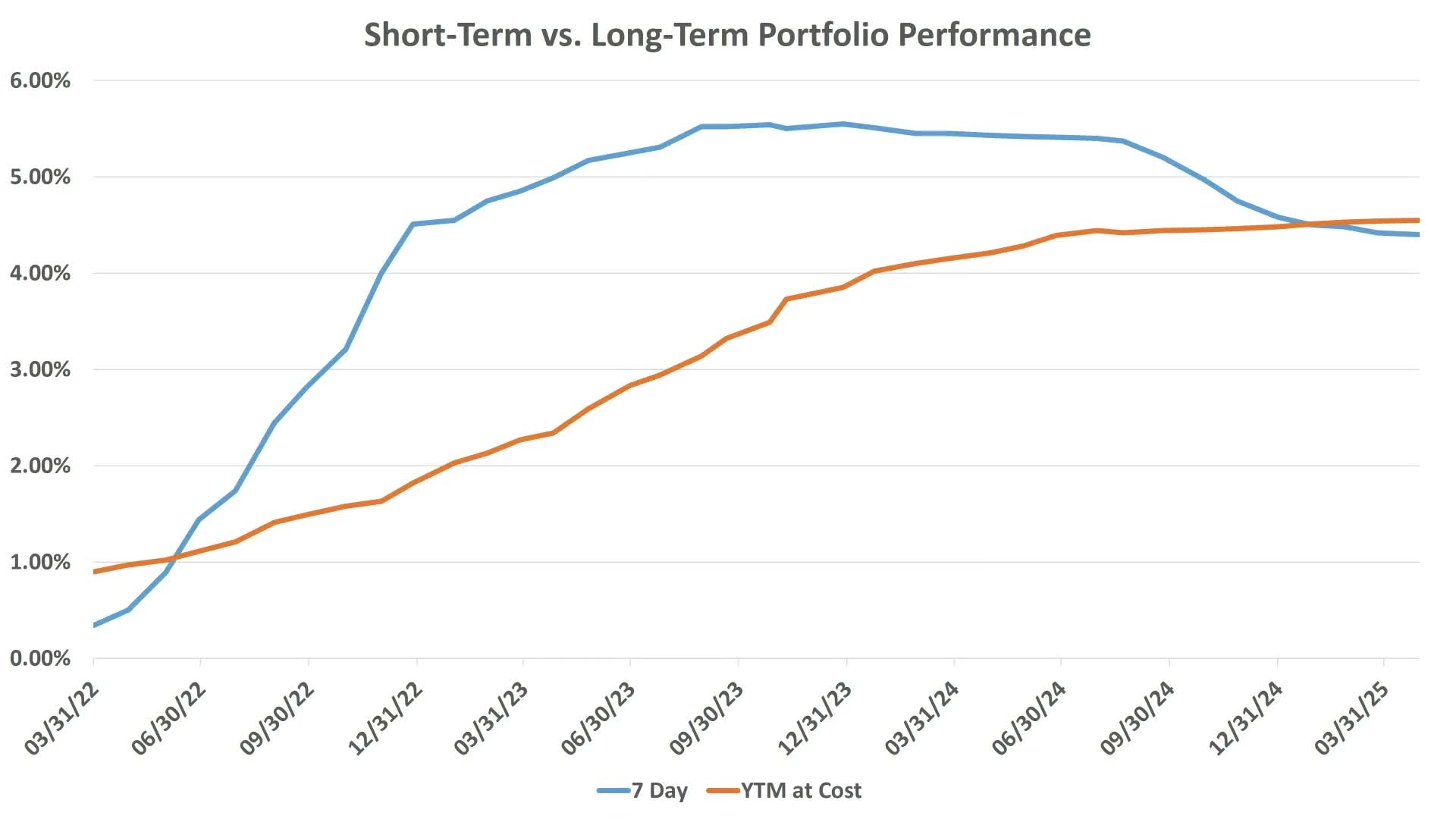
The move followed a detailed presentation from the city—s finance director on the city—s fiscal position, which showed a recent, largely nonrecurring improvement in cash balances and underscored risks from volatile investment fair-market adjustments, one-time revenues and rising recurring costs such as employee pay and equipment purchases.
The council—s direction is intended to create steady, predictable funding for aging infrastructure and vehicles. Staff will prepare a resolution to establish a road-replacement subfund inside the Transportation Improvement Fund and a machinery-and-equipment replacement fund, with each fund—s dedicated revenue set as a percentage of general-fund property-tax revenue. Council also asked staff to draft a debt policy and a capital-planning policy to guide future borrowing and to prioritize long-lived capital needs.
Why it matters: City officials said the city—s most recent annual financial report showed roughly $11 million more in nonbudgetary fund balance at year-end, but when encumbrances and nonrecurring items are removed the increase is closer to $3.1 million. Finance staff warned that a large portion of the apparent gain came from nonrecurring items such as fair-market value investment changes, one-time grants and unusual revenues that should not form the basis for recurring spending.
Key facts and rationale - The finance director described the difference between nonbudgetary and budgetary fund balances and why fair-market investment gains are not treated as spendable one-time cash for recurring purposes. - Staff highlighted several one-time or volatile items that buoyed recent results: unrealized fair-market adjustments to the investment portfolio, a mitigation-bank credit sale tied to wetlands, temporary utility-related surcharges and nonrecurring grants or reimbursements. - Council members said they wanted more stable, disciplined funding for roads and public-safety and fleet replacement rather than relying on windfalls. - The finance presentation emphasized rising replacement costs for fire engines, aerial units and police vehicles (noting cost increases over the last decade) and a pavement-management need that would require multi-million-dollar annual funding to maintain streets at a fair standard.
What the council approved and what happens next - Council instructed staff to prepare a budget that estimates property-tax revenue using the current millage and to schedule FY2026 budget hearings. Counsel approved a motion (mover: Vice Mayor Newman; second: Councilmember LaRusso) to proceed on that basis and to direct staff to return with draft policy documents and the two dedicated subfund resolutions. The final motion, as amended at the meeting, included specific direction to prepare: (1) a road-replacement subfund in the Transportation Improvement Fund with a dedicated revenue source tied to a percentage of general-fund property-tax revenue, and (2) a machinery-and-equipment replacement fund with a similar dedicated percentage funding mechanism. - Staff will return with specific percentages and a five-year outlook showing how different millage choices would affect the pavement plan, equipment replacement and public-safety funding.
Budget context and risks - Staff showed that some of the largest near-term pressures are recurring personnel and benefits costs: improved officer and firefighter starting pay, higher medical-insurance loss ratios and growing IT operating and capital needs. - The city—s general fund reserve and assigned balances were described as healthy relative to several prior years, but staff cautioned that reserves include committed items and that delaying capital replacement increases long-term cost exposure. - Councilmembers expressed concern about potential changes at the state level that could alter local revenue formulas (discussions in Tallahassee about altering property-tax reliance were referenced) and asked staff to model scenarios.
Bottom line: Council favored a cautious, structural approach to funding long-lived assets: keep estimates at the current millage for hearings, but establish dedicated funding mechanisms and formal capital and debt policies so future councils are not forced to use irregular revenue to cover recurring capital needs.