Get Full Government Meeting Transcripts, Videos, & Alerts Forever!
Get email alerts on the Education Pipeline topic
No spam. Unsubscribe anytime.
Kaplan outlines results and changes for Tennessee high-school real estate licensing pilot
Summary
Kaplan reported results for Tennessee's high-school licensing pilot: 92 enrollments led to 35 completions of the 60-hour prelicensing course; Kaplan said completion rates are lower among students who do not pay and detailed plans to improve completion through milestones, live sessions and a reduced access window.
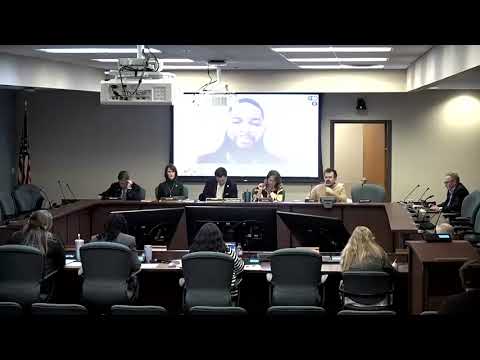
Kaplan North America, the provider for Tennessee’s pilot high-school real-estate licensing program, reported enrollment and completion statistics to the Tennessee Real Estate Commission on Feb. 6 and outlined changes to improve student completion rates.
Toby Shifsky, Kaplan vice president for real-estate education, said 92 students enrolled in the program’s 60-hour course; 35 had completed the full 60-hour prelicensing course as of the report. Another 22 completed the 30-hour course. Kaplan told commissioners that completion rates for students who receive free or sponsored access are typically lower than for paying adult students, and that the program's initial six-month access window contributed to low urgency for some enrollees.
Why it matters: the program is designed as a workforce-readiness pathway offering licensure opportunity to high-school students. Kaplan described the effort as mission-driven and outlined concrete steps to lift completion rates and better allocate seats to motivated students.
Kaplan's findings and planned changes - Completion data: 92 total enrollments; 35 completed the 60-hour course; 22 completed the 30-hour course. Kaplan characterizes the 60-hour completion rate for unpaid students as roughly 18–19%, similar to other free-access outcomes. - Planned interventions: introduce a Tennessee-specific syllabus and study plan, set milestones (first milestone: watch a 20-minute 'commitment' video), shorten access window from six months to 100 days with specific milestone deadlines, add frequent live online support sessions (evenings/weekends), and provide one free continuing-education credit upon successful completion. - Support and mentoring: Kaplan offered daily live online sessions, weekend exam-prep sessions and a designated Tennessee instructor for monthly sessions aimed at high-school students. Kaplan also encouraged brokerages or local practitioners to consider mentorship or partner roles in future cohorts.
Commissioner questions and staff notes Commissioners asked about student aptitude, parental enrollment pressure, and mentorship possibilities. Kaplan said habits and engagement — not a single academic metric — best predict completion, and noted that a subset of enrollments were parental requests rather than student-driven choices. Kaplan will propose milestone-based enrollment management to reclaim seats from inactive enrollees and open them to waiting-list students.
Next steps Kaplan and commission staff agreed to track outcomes and return data at the commission's August meeting. For the current year Kaplan will implement the syllabus, milestones, expanded live support, and shortened access window described above.
Ending note: Kaplan described the pilot as unique nationally and reiterated its commitment to improving completion and measures of career-readiness for participants.