Get Full Government Meeting Transcripts, Videos, & Alerts Forever!
Get email alerts on the Public Safety topic
No spam. Unsubscribe anytime.
Supervisor Dorsey introduces legislation to modernize San Francisco homicide reward fund
Summary
Supervisor Matt Dorsey introduced an ordinance to change the city's homicide reward policy so rewards can be paid when information leads to filing of charges (not only convictions), permit anonymous tipsters to receive rewards, and end blanket disqualifications for prior criminal histories; the introduction cites persistent advocacy by a victim's
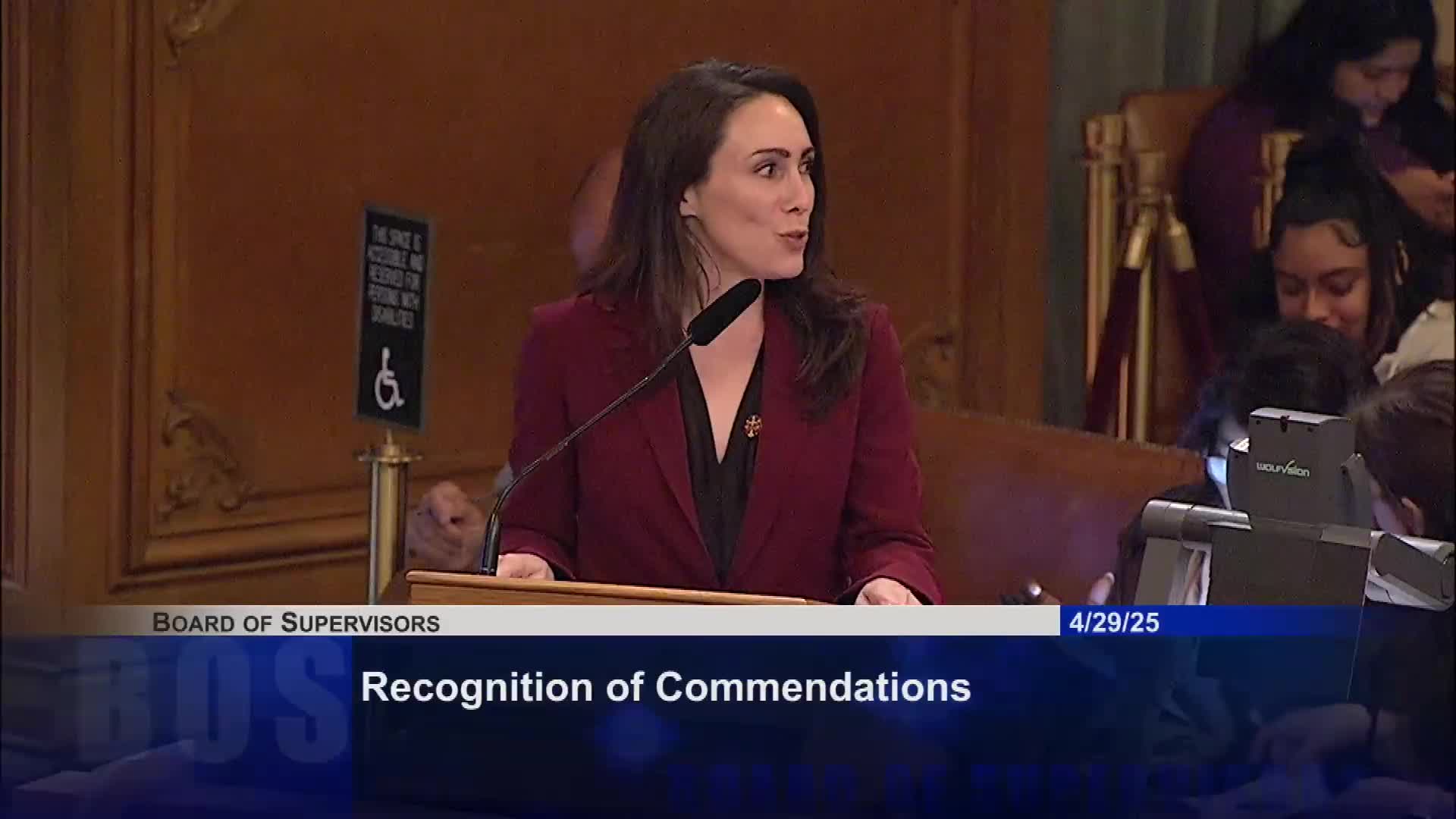
Supervisor Matt Dorsey on April 29 introduced legislation to revise San Francisco’s homicide reward fund policies, including new eligibility rules that would allow the city to pay rewards when information leads to the filing of criminal charges rather than requiring a conviction.
Dorsey said the fund, first established in 2016 to incentivize cooperation and solve homicides, has not paid out a reward in more than a decade. He said restrictive eligibility rules — including a requirement that a conviction be secured before any payout, routine disqualification of anonymous tipsters, and automatic bars for people with past criminal records — discourage witnesses from coming forward.
Key provisions described in the introduction - Allow rewards to be paid when information leads to filing of criminal charges (not limited to convictions). - Allow anonymous tipsters to receive rewards while preserving confidentiality protections. - End automatic disqualification based solely on a prior criminal history, while retaining denial for knowingly false information.
Why it matters: Supervisor Dorsey framed the proposal as a targeted change to improve clearance rates in unsolved murders and to honor victims and surviving family members. He cited persistent advocacy by Paulette Brown, a mother who has sought answers for her son’s unsolved homicide, as a principal motivating force behind the ordinance.
Next steps The legislation was introduced under new business and will proceed through committee and public hearings before any final vote; Dorsey asked for board support in the introduction notes.