Get Full Government Meeting Transcripts, Videos, & Alerts Forever!
Get email alerts on the Banking Cbdc topic
No spam. Unsubscribe anytime.
Committee advances bill to bar Arkansas participation in central bank digital currency
Summary
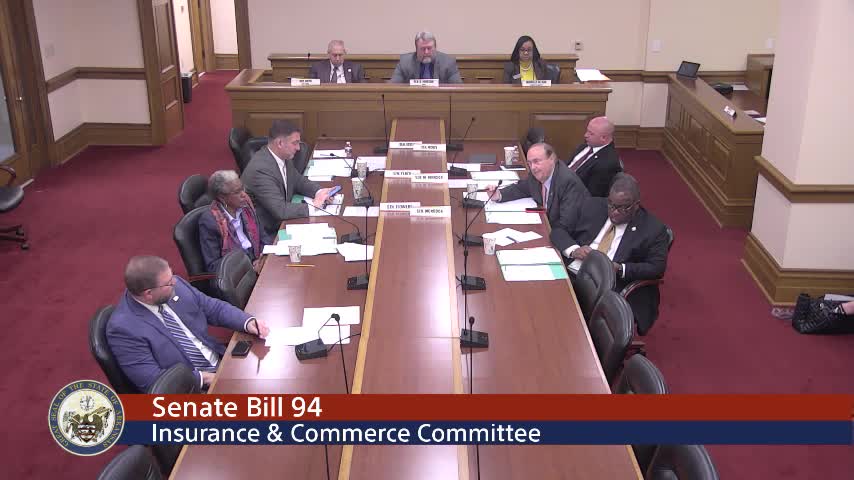
Senate Bill 133, presented by Senator Justin Boyd, would prohibit the state from participating in a federal central bank digital currency (CBDC); the committee advanced the measure after testimony from the Arkansas Bankers Association urging caution about creating a CBDC.
Senator Justin Boyd presented Senate Bill 133, a rewrite of earlier language aimed at preventing Arkansas from participating in a central bank digital currency (CBDC). Boyd said the bill is a "speed bump" intended to stop state participation if a federal CBDC were later created.
Laurie Trogdon, president and CEO of the Arkansas Bankers Association, told the committee that banks and industry groups view a CBDC as unnecessary because money already moves electronically. "This would take the deposits out of the banks and hold them at the Federal Reserve," Trogdon said, echoing industry concerns that a CBDC could change how community banks hold deposits and extend credit into local communities.
Committee members asked several procedural and policy questions about CBDC, including whether Congress would need to authorize a CBDC and how a federal initiative might affect Arkansas banks. Trogdon said the Federal Reserve's own study recommended congressional authorization would be necessary and that, in the industry's view, a CBDC is not required because existing electronic payment rails already move funds.
After discussion, the committee adopted a technical amendment adding a house sponsor and voted to advance the bill. Committee proceedings concluded with a voice vote recorded in favor of advancing SB133 to the next stage.
Supporters said the bill is precautionary: it does not change existing banking operations today but would restrict state-level participation if a CBDC were later established by federal action. Testimony and committee discussion focused on the potential implications for deposit flows, community credit availability, and the need for further federal study before any policy change.