Get Full Government Meeting Transcripts, Videos, & Alerts Forever!
Get email alerts on the Budget Finance topic
No spam. Unsubscribe anytime.
Manor ISD finance staff outline fund-balance concerns and target reductions to build reserves
Summary
CFO Moises Santiago and staff told the board current unassigned fund balance is lower than prior audited levels and outlined a plan to reduce operating expenditures by roughly $14 million to meet a multi-year reserve target; current year unassigned fund balance stood near 12.3% against a planning target of 16.4%.
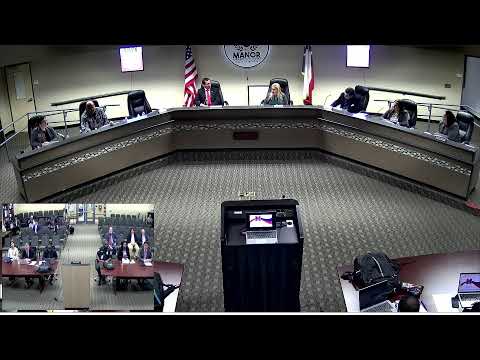
Manor Independent School District finance staff presented the board with current fiscal metrics on Dec. 16 and outlined steps to restore fund-balance targets that affect future budgeting and service levels.
CFO Moises Santiago told trustees the district closed the 2023–24 year with an audited unassigned fund balance of about 27% of total budgeted expenses but that the current year-to-date unassigned fund balance was approximately 12.3%, below the board's planning target of 16.4%. He said the administration has identified roughly $14 million in spending reductions it would like to achieve to move toward a balanced budget and rebuild reserves.
Santiago said the district's average daily attendance (ADA) was reported around 92.77% for the prior reporting period; he noted state funding is tied to ADA rather than simple enrollment, so attendance trends materially affect revenue projections. He described the 16.4% planning target as roughly equivalent to 90 days of operating reserves and said the district may need to increase that threshold to provide additional liquidity during months before state revenue arrives.
The finance staff outlined assumptions used in a proposed $98.5 million budget baseline, which incorporate conservative local property-value growth assumptions and conservative ADA projections. Santiago said the district trimmed its current-year budget by about $4 million to date and emphasized that continued reductions or operational changes will be necessary to reach planning targets.
Board members asked clarifying questions about cash-flow timing, the mechanics of changing the fiscal year, and how the district compares to state guidance on days-of-operations reserves. Santiago said changing the fiscal year is possible but would require tradeoffs and implementation planning because federal program reporting and revenue timing are aligned to the current fiscal calendar.
Administration said it will continue presenting monthly financial reports and will return with recommendations as budget adjustments are finalized for the 2025–26 planning cycle.