Get Full Government Meeting Transcripts, Videos, & Alerts Forever!
Get email alerts on the Labor And Employment topic
No spam. Unsubscribe anytime.
House passes Maryland Worker Freedom Act barring penalties for mandatory ‘captive audience’ meetings
Summary
The Maryland House of Delegates approved House Bill 233 after floor debate over whether the measure is legally vulnerable; supporters said it protects employees from being penalized for refusing to attend employer meetings about political or religious matters.
ANNAPOLIS — The Maryland House of Delegates on Feb. 25 approved House Bill 233, titled the Maryland Worker Freedom Act, which prohibits employers from penalizing employees or applicants for refusing to attend mandatory meetings about religious or political matters.
Supporters said the bill protects workers’ free-speech rights and prevents employers from using mandatory meetings to pressure employees about political or religious views. Opponents warned the measure is overly broad and predicted litigation challenging the state law’s interaction with federal labor rules.
The bill’s sponsor and the House floor leader described the measure as limited to preventing penalties for refusal to attend so-called captive-audience meetings. “It simply says an employer cannot penalize an employee or an applicant for not wanting to attend captive audience meetings that are about religious or political matters,” said Floor leader (unnamed), who moved the committee report to the floor. The transcript shows the floor leader noted 13 other states have similar laws and said the measure does not preempt federal law.
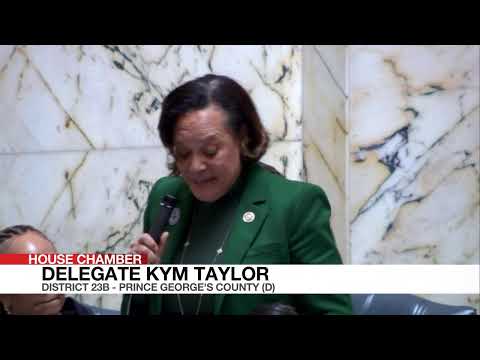
An opponent who identified themselves as a Delegate (opponent) argued at length that similar laws have faced litigation in several states and that the bill’s definition of “political matters” could sweep in routine workplace discussions tied to public policy and operations, creating legal risk for the state. “This bill is written and the concept is written is overbroad and is susceptible to significant legal challenge,” the Delegate (opponent) said during floor remarks recorded in the transcript.
After debate the clerk called the roll; the record shows the House approved final passage by a roll-call vote. There being 94 votes in the affirmative, House Bill 233 was declared passed.
The House debate placed emphasis on the bill’s scope: supporters repeatedly said the measure does not bar employers from holding meetings, only from penalizing employees for declining to attend; opponents said ambiguous language could lead to costly legal fights and urged amendments or delay. The transcript shows several members signaled intent to pursue further amendments during later consideration.
No implementing regulation or effective-date detail was discussed on the floor during this session. The bill will move to the next step in the legislative process per standard procedure.
A floor-level explanation of the bill and the recorded debate make clear the core effect: employers may continue to hold meetings, but the bill aims to protect employees and applicants from discipline or other penalties for refusing to attend meetings focused on religious or political topics.