Six Harlandale campuses outline targeted improvement plans emphasizing PLCs, RTI and real-time feedback
Loading...
Summary
Principals from six identified campuses presented condensed targeted improvement strategies at the Feb. 17 board meeting focusing on PLCs, data-driven instruction (DDI), RTI interventions, peer observations, real-time teacher feedback and refined PLC protocols.
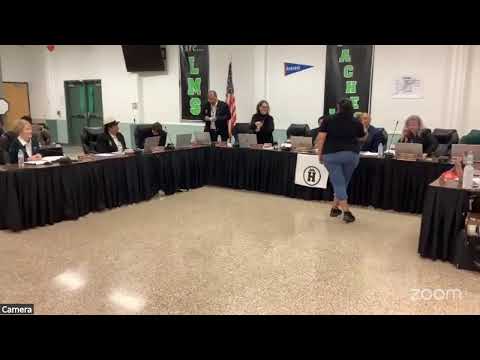
Principals and district leaders presented targeted improvement plans for six Harlandale ISD campuses at the Feb. 17 board meeting, describing campus-level strategies intended to raise proficiency and close learning gaps.
The report covered Adams Elementary, Vestal (Vesta) Elementary, Harlandale High School, McCollum High School, Leal Middle School and Stonewall Flanders Elementary. Principals described short, evidence-based strategies, monitoring plans and the interventions they will use.
Mary Anne Holterman, principal at Adams Elementary, said Adams is prioritizing data-driven decisions and peer observations so teachers can see and adopt best practices. "We place this all on an action plan, and then we monitor it, and then we make our adjustments as needed," Holterman said.
Vesta Elementary principal Evelia Monte Mayor described a focused RTI (response to intervention) structure with weekly PLCs and vertical alignment across grades, daily 30-minute intervention blocks and expanded use of aides and tutoring to move students through tiers of support.
Harlandale High principal (Mr.) Martinez said the campus is centering its work on the POC process (data analysis and response cycles) to ensure interventions are embedded alongside new content rather than delaying instruction. "POCs is a big thing for us," Martinez said, describing how administrators support teachers in spiraling content and intervention.
McCollum High School staff said diagnostic feedback identified a need for stronger data discussions within PLCs; the campus is shifting PLC time to focus on the four core PLC questions and implementing Data-Driven Instruction (DDI) to pinpoint reteach and enrichment needs.
Leal Middle School is emphasizing immediate, in-lesson feedback (citing John Hattie's research) and intensive 30-minute daily intervention using iReady, so teachers provide actionable feedback during lessons and students receive targeted practice.
Stonewall Flanders reported refining PLC protocols, using an Understanding by Design approach and a "Notice and Wonder" protocol to analyze unit-assessment data and student work samples. The campus also highlighted oral-language development and use of sentence stems to promote academic discourse.
Board members asked how campuses share successful practices and how new principals build on prior work. District staff said campuses coordinate peer observations informally across schools and that vetted external providers (part of an ESF grant) are supporting PLC and DDI implementation on multiple campuses. Staff also noted the districtwide adoption of Emergent Tree supports for behavior and common language ("safe, responsible and respectful") to maintain consistency across transitions from elementary to middle school.
Trustees pressed for monitoring of student engagement and conceptual understanding; staff pointed to regular in-class walk-throughs, curriculum specialists from HQIM vendors, short focused observations and data from common assessments as monitoring tools.
No formal board votes were taken on the campus improvement plans during the presentation; principals requested approval only for their February submissions to the state diagnostic process, and staff said ongoing submissions will follow the stateprocess throughout the year.