Harlandale ISD presents 2023–24 TAPR showing reading gains, math challenges and gaps for bilingual students
Loading...
Summary
District leaders presented the 2023–24 Texas Academic Performance Report (TAPR) and summarized state-aligned trends: modest reading growth in some grades, mixed math results, higher gains in biology and U.S. history, and persistent performance and graduation gaps for emerging bilingual students.
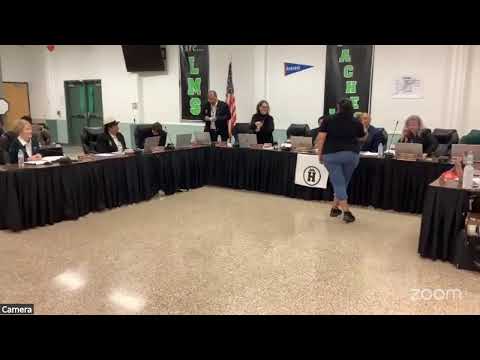
Harlandale Independent School District leaders presented the districtwide 202324 Texas Academic Performance Report at the Feb. 17 board meeting, reporting mixed results across subjects and student groups.
The TAPR presentation, led by district presenters, said Harlandale served about 11,781 students in 202324, with 90.7% identified as Hispanic and 86.8% economically disadvantaged. District staff said performance trends generally tracked state declines in several subjects, but pointed to specific gains in algebra I, biology and U.S. history.
District staff said the TAPR matters because itinforms campus improvement planning and federal/state accountability. "These reports support district leaders and the board in setting priorities for improvement," a presenter told trustees, noting the report frames progress and areas for targeted intervention.
In the presentation, staff summarized outcomes by subject. At the "approaches" level, the districtreported a 1% net gain in some reading measures but an overall 3% dip in reading approaches compared with statewide moves. Mathematics showed mixed results: some grades fell where the state declined, while the district reported a 2% increase in sixth-grade math approaches and gains in algebra I.
Science and social studies were among the stronger areas: the district reported a 6% increase in biology approaches and a 6% increase in U.S. history approaches, compared with smaller statewide gains. Presenters described the social studies gains as the districtone of the larger positive shifts in the report.
Bilingual and emerging bilingual students were flagged as an area requiring continued focus. Mario Ferron, the districtbilingual coordinator, said emerging bilingual students represented about 20.3% of enrollment but performed below district averages: "We can see that even though our students are showing progress, we're still showing a significant gap," Ferron said, citing lower approaches-level performance, lower college readiness (about 31.9%) and a near-10-point graduation-rate gap for emerging bilingual students.
Presenters told trustees the district has applied for and received several state planning grants to boost instruction, including a Strong Foundation planning grant for Kthrough 5 reading and an application for an implementation grant to adopt a high-quality instructional materials (HQIM) curriculum (referred to in the meeting as the Bluebonnet curriculum). Superintendent Sotto and staff said adopting a consistent HQIM will reduce teacher planning burden and create a common instructional base across campuses.
Board members asked how progress would be monitored. Staff pointed to existing measures: weekly PLCs, data-driven instruction cycles, regular classroom walk-throughs, iReady usage and targeted interventions as tools to monitor classroom-level implementation and student engagement.
District presenters also noted absenteeism and mobility as factors affecting performance. The district reported attendance rates in the low 90s for the week presented and said chronic absenteeism has decreased but remains a continuous focus.
The TAPR presentation concluded with staff outlining next steps: implement HQIM in elementary grades, continue CCMR (college, career and military readiness) supports, refine bilingual identification and redesign work already underway, and use evidence-based interventions across campuses to accelerate recovery and growth.