Get Full Government Meeting Transcripts, Videos, & Alerts Forever!
Get email alerts on the Private Prisons topic
No spam. Unsubscribe anytime.
CoreCivic and GEO ask committee for per‑diem increases and pay parity for private prisons
Summary
Representatives of CoreCivic and the GEO Group briefed the House Appropriations Committee on FY26 requests for per‑diem adjustments, pay parity and funding to cover facility capital expenditures that contractors have absorbed over many years.
Representatives of two private prison operators told the House Appropriations Committee they need higher per‑diem rates and contractual increases to address operational cost growth and pay parity with state correctional staff.
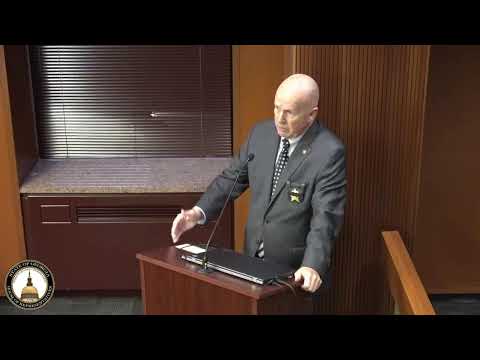
Jerry Langford of CoreCivic and Emmanuel Barr of the GEO Group spoke at the hearing. Langford said CoreCivic operates facilities in Wheeler, Coffee and Jenkins counties and described three “buckets” in the companies’ FY26 requests: funding to operate the 446 beds requested by the department, pay parity for existing staff and a contractual increase to cover operational and capital costs the contractors have absorbed over many years.
GEO’s Barr described a similar request and said the company uses a CPI index at renewal to justify increases; he said the companies have not received CPI increases in many years. Barr said GEO’s detailed FY26 ask, including operational and wage increases, totaled about $4,885,000 and that commissioner‑built parity already adds roughly $735,000 for security personnel in FY26, leaving a net GEO ask of about $4,110,000. CoreCivic and GEO representatives said they have been spending company funds to maintain facilities and that deferred capital expenditures in recent years amount to millions.
Both vendors emphasized that the Georgia Department of Corrections maintains oversight at contractor facilities, with GDC staff on site auditing contract compliance. Committee members asked about where repair and capital costs have been paid when the state did not increase per diems; vendors said those costs came out of private operators’ funds.
Panelists also discussed contraband issues — drones and illicit cell‑phone networks — and said operators invest in detection technology and mail screening; both stressed that drone and wireless mitigation is an industrywide problem. The vendors thanked committee members for support included in the amended budget and urged the legislature to consider per‑diem increases to stabilize operations.
There was no committee vote or formal action on the vendor requests during the hearing.