Get Full Government Meeting Transcripts, Videos, & Alerts Forever!
Get email alerts on the Construction And Contracting topic
No spam. Unsubscribe anytime.
Landscape Board Asks Committee to Close Workers‑comp Gap, Add Contract Protections for Renters and CCB‑licensed Water‑feature Work
Summary
The State Landscape Contractors Board proposed three statutory fixes Feb. 11: close a workers’‑comp coverage gap when licensees perform exception work, allow CCB licensees to install ornamental water features, and extend the three‑business‑day contract rescission right to renters.
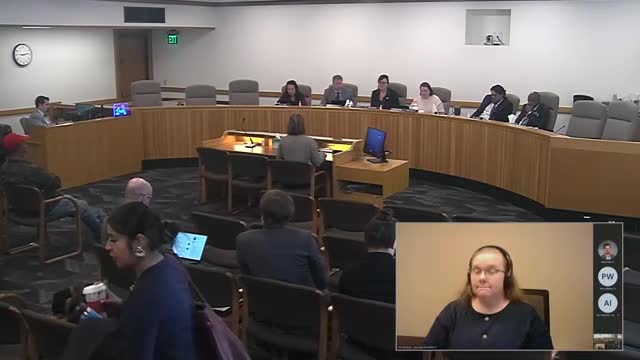
The Senate Committee on Labor and Business heard from the State Landscape Contractors Board on Senate Bill 8 65 on Feb. 11. The board proposed three statutory changes: clarify when a landscape contractor is considered an independent contractor for workers’ compensation purposes, add an explicit exception allowing Construction Contractors Board (CCB) licensees to install ornamental water features, and extend the three-business-day contract rescission right to renters and others who contract with landscape licensees.
Annie Von Domits, the Landscape Contractors Board administrator, said the board discovered a statutory reference loop that created a gap: when licensees perform work allowed by exceptions in other statutes (for example, certain tree removal or irrigation tasks), the board could not require workers’ compensation coverage even when those workers were employed by the licensee. Von Domits told the committee the change would bring work performed under exceptions into the same independent-contractor definition and permit the board to require workers’ compensation when appropriate.
Von Domits also said the bill would add an explicit exception clarifying that CCB-licensed contractors can install ornamental water features and would correct an oversight in House Bill 2,292 (2023) by extending the existing three-business-day right to rescind a written landscape contract to renters and lessees, not only property owners.
Senator Hayden and others questioned how the workers’ compensation gap arose and how enforcement would proceed; Von Domits explained the legal reference loop forced the board to refer certain complaints to the Workers’ Compensation Division rather than to the LCB for licensing enforcement. Committee members requested clarifying language and examples of the gap and asked the board to return with any additional statutory cross-references and enforcement scenarios.
The committee closed the public hearing and left the bill at the public‑hearing stage pending follow-up drafting work from the board and potential amendments to clarify enforcement and scope.