Get Full Government Meeting Transcripts, Videos, & Alerts Forever!
Get email alerts on the Public Input topic
No spam. Unsubscribe anytime.
Residents urge council to adopt landscape incentive program, host water-conservancy botanical garden and ease accessory-dwelling process
Summary
Two residents urged Saratoga Springs to adopt the Central Utah Water Conservancy District's landscape incentive program and to host a Central Water botanical garden; another resident urged easing the accessory apartment approval process to reduce illegal rentals.
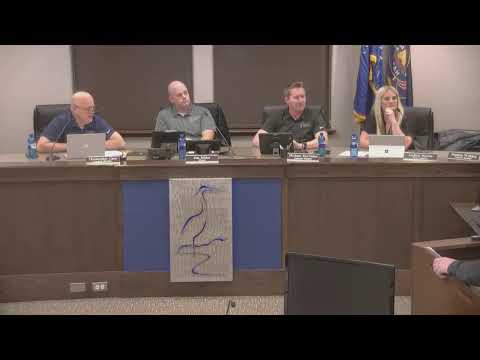
During public input at the Feb. 4 Saratoga Springs City Council meeting, two residents urged city action on water-wise landscaping and on accessory dwelling-unit permitting.
Steve Martin, a resident and local business owner who said he represents the Central Utah Water Conservancy District in part, asked the council to adopt the district’s landscape incentive program that pays $3 per square foot to convert existing landscaping to water-efficient landscaping. Martin said the program is mainly funded by federal, state and water-district sources and that municipalities must follow program requirements; he offered to provide the council a copy of those requirements and to help lead fundraising if the city agreed to host a Central Water botanical garden.
Martin proposed that Saratoga Springs host a Central Utah Water Conservancy botanical garden — modeled in concept on the West Jordan Conservation Water Park and a 10-acre botanical garden in West Valley — on approximately 5 acres downtown to showcase water-wise plants and, he said, attract tens of thousands of visitors from Utah County and the state.
Another resident, Brett Henry, speaking as a 11-year resident and real-estate broker, urged council support for making the accessory apartment (accessory dwelling unit) approval process easier for applicants who follow rules. Henry said he manages many properties in the area and asserted that simplifying the process for legal accessory apartments would reduce illegal rentals and “punishing the guys who are willing to jump through the hoops.” He asked the council to consider administrative steps to make it easier for residents who pursue legal accessory-apartment permits.
Council members did not take formal action on either public-input request during the meeting; council members thanked the speakers and noted staff would follow up as appropriate.