Get Full Government Meeting Transcripts, Videos, & Alerts Forever!
Get email alerts on the Academic Performance topic
No spam. Unsubscribe anytime.
District presentation outlines academic goals, K–3 literacy emphasis and new elementary intervention staffing
Summary
District staff presented a biannual academic report highlighting a 10% target improvement by 02/30, growth in middle school PVAS scores, progress on AP/IB enrollment and plans to add interventionists and pilot 'Walk to Read' at selected elementary schools.
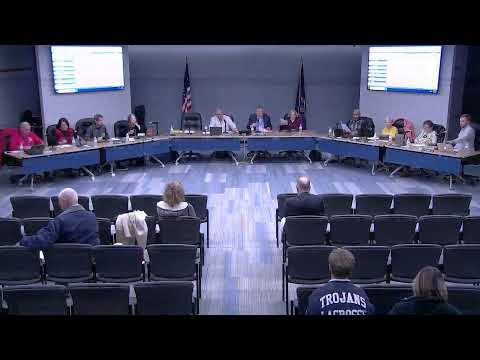
Kurt Widman, presenting the biannual academic report to the Chambersburg Area School District board on Dec. 2, summarized student-performance trends, recovery after the pandemic and near-term academic staffing changes aimed at early literacy and targeted interventions.
“We are looking at target areas. We've already started those,” Widman told the board and said the district’s “main goal is 10% improvement across the board.” He outlined results from multiple measures including Pennsylvania Value Added Assessment System (PVAS) growth, School Performance Profile (SPP) scores, Keystone and AP/IB participation.
Widman reported recent data points and initiatives the administration emphasized: a kindergarten readiness check that found about 22% of incoming students ready in reading and 54% ready in math; an increase in third-grade reading/writing proficiency; and strong PVAS growth in grades 3–8. He said the district had already begun several interventions and plans to add staff: “we are adding 4 more interventionists in the elementary,” Widman said, and noted approximately half of some small-school deans’ time will be devoted to intervention.
The presentation described a reading model the district calls “Walk to Read,” which Widman characterized as a flooding model of small-group stations with multiple adults working simultaneously. He said the district is piloting Walk to Read in Stevens, Falling Spring and Fayetteville elementary schools and intends to expand the model in the fall.
Widman also reviewed middle- and high-school measures: middle schools showed strong PVAS growth and earned recognition in U.S. News & World Report listings; the high school’s Keystone proficiency trends have softened and staff noted state changes under Act 158 may affect proficiency reporting and graduation pathways. He reported increases in AP enrollment and higher percentages of students scoring 3 or above on AP exams; IB course enrollments were also growing.
Board discussion focused on disparities among elementary schools (for example, Stevens was noted as having higher free-and-reduced and ELL populations), the effect of schedule changes, and how block scheduling and grade reconfiguration might support hands-on instruction and improved outcomes. Several board members urged patience to let new hires be recruited, trained and evaluated before asking for additional budgeted positions.
Widman said the district will provide a midyear performance update in March including MAP and Acadia/diagnostic data to show projected proficiencies and progress toward the 10% target.