Get Full Government Meeting Transcripts, Videos, & Alerts Forever!
Goshen planning board weighs broad changes in proposed short-term rental law
Summary
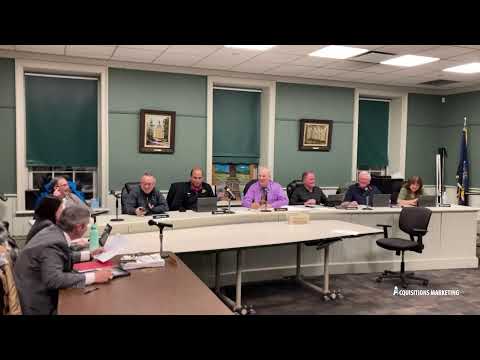
The Goshen Planning Board spent more than two hours reviewing a redlined draft local law to regulate short-term rentals, debating definitions, safety requirements, parking, maximum occupancy and enforcement tools before voting to send comments and a draft to the Town Board for consideration.
Goshen Planning Board members and staff spent the bulk of a meeting reviewing a redlined draft local law meant to regulate short-term rentals, focusing on definitions, on-site safety and utilities, limits on occupancy and parking, and enforcement and notification procedures.
Board members said the draft must make clearer where short-term rentals would be permitted, whether they should require site-plan review or special permits, and whether stricter rules should apply in small‑lot residential areas. The board voted to authorize its attorney to prepare a letter and the board’s suggested redline for the Town Board’s consideration.
The discussion moved line by line through the draft. Staff and counsel described the version under review as a zoning‑level local law that would establish permit and operational requirements for properties used for short-term rental occupancy. Several members said the town board — not the planning board — is the legislative body that can decide whether to allow short-term rentals in particular zoning districts, but the planning board said it would send detailed technical and policy comments.
On definitions and scope, members asked the drafters to explicitly distinguish between “bed-and-breakfast,” “lodging/boarding house,” “hotel/motel” and a short-term rental and to add or relocate definitions so the provisions are clear and self-contained. One member recommended adding a cross-reference or copying definitions from chapter 97 so readers do not have to look in multiple chapters.
On evidence and presumption of use, board members debated whether the presence of a vehicle or an unoccupied owner’s unit should be treated as…
Already have an account? Log in
Subscribe to keep reading
Unlock the rest of this article — and every article on Citizen Portal.
- Unlimited articles
- AI-powered breakdowns of topics, speakers, decisions, and budgets
- Instant alerts when your location has a new meeting
- Follow topics and more locations
- 1,000 AI Insights / month, plus AI Chat