Get Full Government Meeting Transcripts, Videos, & Alerts Forever!
Get email alerts on the Land Use Development topic
No spam. Unsubscribe anytime.
New Rochelle planning board declares lead agency, approves Pratt Landing waterfront plan with 72 conditions
Summary
The Planning Board declared itself lead agency, issued a negative declaration under SEQR, and approved subdivision and site-plan applications for Pratt Landing (PB‑33‑2024), subject to 72 staff and consultant conditions, flood-mitigation measures, and community benefit and mitigation fees totaling $24.5 million.
The City of New Rochelle Planning Board on Jan. 28 declared itself lead agency and issued a SEQR negative declaration for Pratt Landing (PB‑33‑2024), a proposed mixed‑use redevelopment at Main Street and the waterfront in the DO‑7 downtown overlay zone. The board then approved the project’s subdivision and site plan, subject to an extensive set of 72 conditions drafted by city staff and consultants.
The board's action follows completion of an environmental review that staff said found the project falls within thresholds identified in the DO‑7 2021 finding statement and would not result in significant adverse environmental impacts. Kevin Kane, the city’s director of planning and sustainability, told the board staff circulated the project to relevant agencies and received no objections to the Planning Board declaring lead agency.
The project will entail conveyance of city land to the developer and dedication of roughly 3.4 acres of publicly accessible waterfront and parkland, city staff said. Staff also said restrictive covenants will preserve and require rehabilitation of the armory building on the site and provide for a roughly 2,000‑square‑foot veterans center.
Why it matters: Board members and staff framed the application as a transformative waterfront project that must be tightly conditioned to reduce flood and historic‑resource impacts while delivering public access and community benefits.
Key approvals and conditions: Staff highlighted multiple categories of conditions — engineering, traffic, building and fire safety, sustainability, historic‑resource compliance, and flood mitigation. Paul Vaca, the city’s commissioner of buildings, was singled out by staff for leading work on flood‑mitigation conditions. The Planning Department said the application carries a fair‑share mitigation fee of $6,200,000 intended to offset one‑time capital or infrastructure costs, and a community‑benefit bonus fee of $18,300,000 required for the additional height the developer requested. Staff said the applicant accepted the conditions.
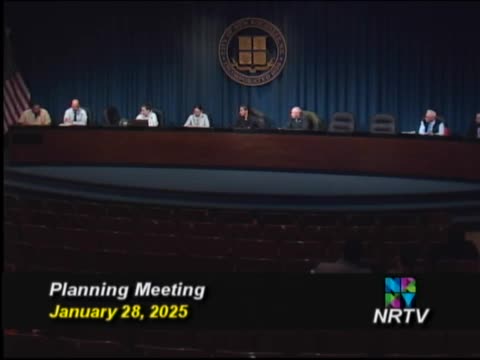
Board action: After staff presentation and confirmation the applicant found the conditions acceptable, the board voted to declare lead agency, approve a negative declaration under SEQR, and approve both the subdivision and the site plan. The chair recorded the motions as passing with the board saying “Aye” on each motion and no recorded opposition.
Next steps and implementation: Staff said the approvals will be subject to the detailed conditions and to any additional approvals required by state agencies, including compliance with the New York State Department of Environmental Conservation and the State Historic Preservation Office. The planning staff recommended that follow‑up responsibilities and permit conditions be tracked by the Department of Planning and Sustainability and the Department of Buildings.
Public record and documentation: Staff noted the environmental assessment parts were prepared with assistance from the city’s planning consultant and that the environmental review materials remain on file with the Planning Department. The board record will include the 72 conditions and the project’s SEQR negative declaration.
Ending: The project moves forward with detailed conditions intended to protect flood‑vulnerable areas, preserve historic resources, provide public waterfront access, and generate community benefit funds as required by the DO‑7 downtown overlay zoning standards.