Get Full Government Meeting Transcripts, Videos, & Alerts Forever!
Get email alerts on the LGBTQ Protections topic
No spam. Unsubscribe anytime.
LGBTQ+ advocates urge city to shore up protections and support services as federal threats mount
Summary
National and local LGBTQ+ advocates urged Philadelphia council to protect gender-affirming care, fund community organizations, and ensure employment and housing protections for queer and transgender residents amid anticipated federal rollbacks.
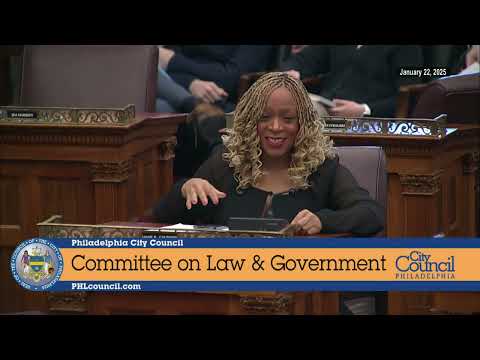
At a City Council Committee hearing Jan. 22, LGBTQ+ advocacy groups and local businesses urged Philadelphia city officials to strengthen protections for queer and transgender residents and to fund community services that help those most at risk.
Harper Seldin of the national ACLU's LGBTQ & HIV Project warned of a wave of anti‑trans measures at federal and state levels, including efforts to restrict health care access, educational participation and identity-document processes. “The goal of these attacks is to remove transgender people from all walks of public and civic life,” Seldin said, and she urged litigation, local enforcement of nondiscrimination ordinances and funding for health and housing providers.
Zach Wilshire, CEO of the Independence Business Alliance, Philadelphia’s LGBTQ chamber of commerce, told the committee the city is an important destination for queer businesses and urged city collaboration with community groups to make sure “there are jobs and affirming workspaces.” Liberty City, a queer political organization, urged swift appointment of a permanent director for the Office of LGBTQ Affairs and for the mayoral administration to empower the municipal LGBTQ Commission.
Speakers from grassroots organizations and service providers asked the city to defend access to gender‑affirming care and to make explicit municipal commitments to protect trans patients, students and workers. Philadelphia providers said they already deliver resource navigation — including housing and health referrals — and asked for city support to expand those services rather than duplicate existing community expertise.
Several individual public commenters recounted personal experiences and fears about deportation, housing loss, violence, and access to health care. A number of speakers said the city should codify sanctuary commitments and ensure municipal agencies and schools have the staff and funding to protect vulnerable residents.
Councilmembers expressed solidarity and said follow‑up coordination with the mayor and relevant agencies would be necessary to convert the hearing’s recommendations into funding and operational plans.