Lifetime Citizen Portal Access — AI Briefings, Alerts & Unlimited Follows
School district outlines sanctuary-school protocols; advocates say implementation remains incomplete
Loading...
Summary
School District of Philadelphia officials described policies and trainings to protect immigrant and LGBTQ+ students, while community groups and surveys say required measures from the 2021 sanctuary-resolution remain only partially implemented.
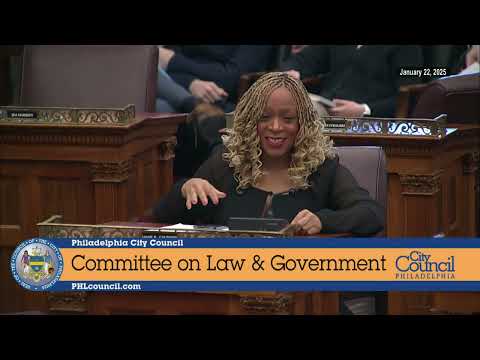
Officials from the School District of Philadelphia told a City Council committee hearing Jan. 22 that the district has written protocols and ongoing training to protect immigrant and LGBTQ+ students — but community organizations and teachers said the measures are incompletely implemented.
Dr. Jamie Banks, chief of student support services, said the district enforces nondiscrimination policies and updated administrative procedures for transgender and gender nonconforming students. “We have policy 252, which allows students to use their chosen name and pronouns in school records, classrooms, and communications,” Banks said. She noted the district lists 104 Gay–Straight Alliances and will hire an LGBTQ+ coordinator in February.
Dr. Natalie Nere, chief of special education and diverse learners, described the district’s “clear guidelines and communication protocols” for staff response to immigration enforcement. She said staff, volunteers and contractors are instructed not to inquire about immigration status unless required by law, to refer any ICE requests to the Office of General Counsel and to obtain documentation before permitting access to school property.
Community advocates said those protections have not been fully implemented. Erica Guadalupe Nunez, executive director of Juntos, said the district’s 2021 Welcoming Sanctuary Schools resolution — which called for district-wide training, a district-wide response protocol and a community partnership table — has not been fully put in place. Juntos’ February 2024 survey of 52 school staff found only 56% had participated in ICE-response training, 14% had training on interpretation services and 19% had newcomer-specific training.
Nunez urged the city to require full implementation and to fund newcomer programs; she provided a preliminary estimate of $2,000,000 to create two newcomer programs (30 seats each) in South and Northeast Philadelphia. She and others also called for expanded bilingual counseling assistants and clearer, widely distributed family communications.
School officials said some steps are in progress: a draft communication letter, an updated immigrant/refugee toolkit, recent principal training and ongoing PowerSchool-based professional development. “Our protocols outline how to respond to immigration and customs enforcement agents on school grounds,” Dr. Nere said, and staff were trained in principal meetings and will receive asynchronous modules.
Council members pressed for quicker, more uniform rollout. Councilmember Rachel Landau thanked district staff for planning but said advocates want concrete timelines and budgeted resources. No vote or directive was issued at the hearing; members signaled they would seek additional facts and budget information during follow-up oversight.