Get Full Government Meeting Transcripts, Videos, & Alerts Forever!
Get email alerts on the Zoning topic
No spam. Unsubscribe anytime.
Residents and board debate ‘conference center’ zoning loophole; ad hoc committee proposal fails
Summary
Public commenters and board members disputed a stand‑alone conference center law that allows hospitality uses on 25‑acre lots, calling it a loophole that could allow hotel‑scale development outside hamlets; a motion to create an ad hoc review committee failed and residents urged open workshops and a review of related hotel/motel code provisions.
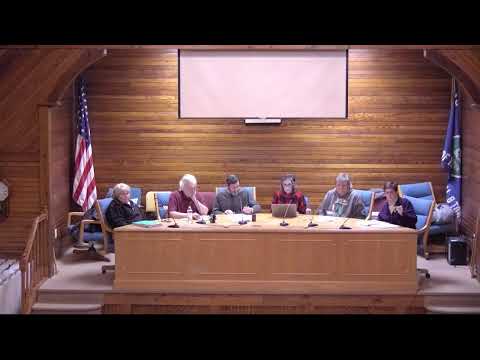
Residents urged the Town of Clinton Town Board on Feb. 11 to revise a stand‑alone conference‑center law they described as a loophole that permits hospitality uses across the town’s agricultural districts. The board voted down a motion to establish an ad hoc committee to draft possible zoning amendments, while several residents and board members recommended a transparent public workshop process instead.
Adam Dykesel, a homeowner on Camp Drive, told the board the conference‑center law allows operators to place hotel and related commercial uses on any lot of 25 acres or more, circumventing other rules that limit where restaurants, bakeries and commercial laundry are allowed. “The conference center law is a loophole,” Dykesel said. “The town has expressed the fact that it doesn’t want hotels in the agricultural districts but call the hotel a conference center and we’ll allow it anywhere on any lot over 25 acres.”
Several board members and public commenters said that leaving the law unchanged while the town completes a comprehensive‑plan update would risk irreversible changes to the town’s rural resources. One board member cited a 13‑year‑old comprehensive‑plan survey (as described by a speaker) showing strong support for protecting rural character, agricultural soils, wetlands and water resources.
The board considered but did not adopt a motion to establish an ad hoc committee to review Town Code Chapter 250 zoning for possible amendments related to conference centers, hotels and motels. Members who opposed the committee said they preferred the larger‑forum “workshop” approach used during the last comprehensive zoning revision, where the entire board conducted televised workshops open to the public. Opponents also raised concerns that including current enforcement officers on a drafting committee could create a structural conflict between enforcement and law‑writing roles.
Public commenters repeatedly asked for transparency and for any working group to include proponents and opponents. Paul Thomas, chair of the planning board, and others confirmed an informal working group had drafted a document for the town board’s consideration and said that document will be brought forward for the board to decide whether to pursue formal review.
Board members said the issue remains active and that options include continuing informal working‑group discussions, convening televised workshops on a draft, or bringing a formal proposal to the board for a public hearing.