Get Full Government Meeting Transcripts, Videos, & Alerts Forever!
Get email alerts on the Community Engagement topic
No spam. Unsubscribe anytime.
Arlington 2050 report summarizes public input, highlights housing, green space and community as top themes
Summary
County staff and volunteers gathered community feedback for the Arlington 2050 visioning process, collecting more than 1,300 mailed “postcards from the future,” outreach in Spanish and student classroom contributions. Key themes were community, affordable housing, green space, walkability/transit and concerns about density.
Arlington County staff and volunteers presented a summary of the yearlong Arlington 2050 visioning process to the County Board on Dec. 17, saying the engagement produced more than 1,300 mailed responses and dozens of supplemental conversations and events across the county.
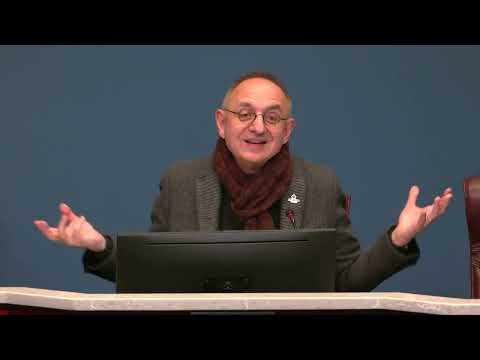
Kristen Clark, a community engagement specialist in the County Board office, told the board the project was designed to update earlier community visions and to surface resident priorities ahead of future planning processes. "Arlington 2050 was a year long visioning process from the county board to spark conversations about what residents want and want Arlington to look and feel like 25 years from now," Clark said.
Clark said the outreach mix included kickoff panels, in‑person events, popups, a phone‑booth voicemail collection, Spanish‑language sessions organized by neighborhood leaders and school‑based activities that engaged high‑school students in data analysis and planning exercises. She described volunteers and neighborhood leaders as the “secret sauce” that increased participation, citing a Buckingham Gates tenant event that included interpretation and childcare so Spanish‑speaking residents could take part.
The engagement produced a set of community values and a short list of energized topics, Clark said. The single most used word across the comments was “community” (392 mentions). Other frequent priorities were affordable housing; green space and tree canopy; walkability and transit connectivity; and differing views about density. “Affordable housing obviously is a huge, a huge concern,” Clark said. She added that younger participants often described affordability as a near‑term barrier to staying in Arlington.
Clark showed examples of engagement experiments: a voicemail “phone booth” deployed at festivals and library truck stops that captured audio feedback with automated transcription and a classroom unit in which students used machine‑learning techniques to analyze comments. The county intends to publish the full dataset and the master spreadsheet for review, she said.
Board Chair Libby Garvey praised the outreach and said the board will use the results as input for the county’s comprehensive plan and other future planning. "The point of doing it all to 2050 and focus on getting on the future and getting there in good shape was because we need to be resilient to do it," Garvey said.
What it means: Staff presented the results as a non‑scientific but broad sampling of resident input that the county can use as a starting point for more formal planning. Clark emphasized that counts and word clouds are not statistically representative but are useful to identify topics that merit deeper study.
Next steps: Clark said staff will finalize the Arlington 2050 report, publish the engagement spreadsheet and make recommendations to incorporate the input into upcoming planning processes, including the comprehensive plan update. The board indicated it will review the final report when published.