Get Full Government Meeting Transcripts, Videos, & Alerts Forever!
Get email alerts on the K 12 Education topic
No spam. Unsubscribe anytime.
Aspire Online Academy presents student successes, hybrid supports to Harrison School District 2 board
Summary
Aspire Online Academy told the Harrison School District 2 board that its four-year-old online program serves about 50 students in grades 1–12, combining daily live instruction with asynchronous work, in-person events and career-connected programming to support academic growth and social engagement.
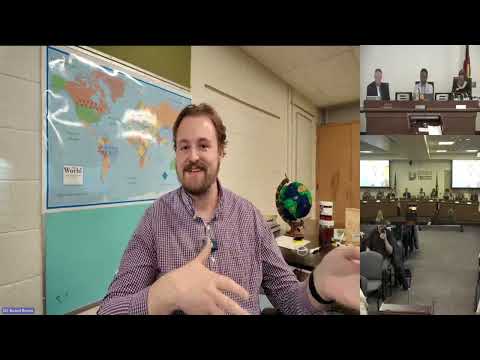
Aspire Online Academy outlined its model, student outcomes and supports to the Harrison School District 2 Board of Education during the Jan. 23 meeting, presenting teacher and student voices and district staff remarks.
The presentation matters because the academy is a district-run alternative that combines synchronous online classes, asynchronous coursework and periodic in-person gatherings; board members heard administrators and students describe how that mix aims to deliver academic growth while addressing social and medical needs that make traditional school attendance difficult.
Patricia Parks, introduced by the board as the assistant principal for Aspire Online Academy, said the program serves students in grades 1–12 and has been in existence four years. "We are a very diverse school even though we are online," Parks said, noting the program provides live online classes as well as asynchronous assignments. Parks described staffing that includes in-house teachers and supplemental teachers through Colorado Digital Learning Solutions for high school courses.
Students and staff spoke about services and day-to-day operation. Katie Ginster, a fourth- and fifth-grade teacher at Aspire Online Academy, led the pledge and welcomed attendees. Student speakers described academic and social benefits: Lianna Rose Adetianna, who said she has attended the program since its inception, told the board, "The curriculum is designed to support students from various backgrounds with invaluable assistance from our dedicated teachers." A middle-school teacher, Calvin Rausch, described in-person events such as "rocket day" that supplement online instruction and said the combination of live sessions and in-person activities helps students build peer relationships.
Administrators described academic monitoring and interventions. An instructional coach said Aspire does not have sufficient standardized-test participation to produce a School Performance Framework (SPF) but noted midyear i-Ready and CMAS scores among participating students show growth. "Of the students that do participate, you can see that we have many of our middle school, elementary school exceeding and meeting those grade-level requirements," the coach said, while also noting participation barriers because Aspire serves students across Colorado and cannot require travel for statewide testing.
Program features described to the board included: daily synchronous live instruction for grades 1–8, asynchronous work to build time-management skills, interventions and dedicated intervention blocks at multiple grade levels, concurrent enrollment and internships for high school students, use of the Xello career-exploration tool beginning in early grades, and a districtwide family career fair planned for March. Staff said students may participate in athletics and activities at their neighborhood or "home" high school while remaining enrolled at Aspire; teachers coordinate that participation with the other school.
Speakers emphasized individualized attention. The registrar described daily attendance checks, family communication and translation support for Spanish-speaking families. A parent who identified herself as the first parent to register a student at Aspire recounted switching to Aspire because of her child's medical and social needs and said the child's grades and confidence improved after enrollment.
Board members praised the student presentations and the model. Board President Michelle Wills Hill and Director Pam Robinson both noted the value of student voice and the flexibility Aspire provides for students with medical or social challenges. The board asked about current enrollment and staff confirmed Aspire's enrollment was "around 50 students" across grades 1–12.
The presentation concluded with photos and a brief recognition of staff and students; the board then moved on to other agenda items.
Details reported in the presentation were based on statements made during the board meeting and student remarks. Where participation or testing data were described as limited, presenters told the board that participation numbers were insufficient for some district-level reporting (for example, an SPF).